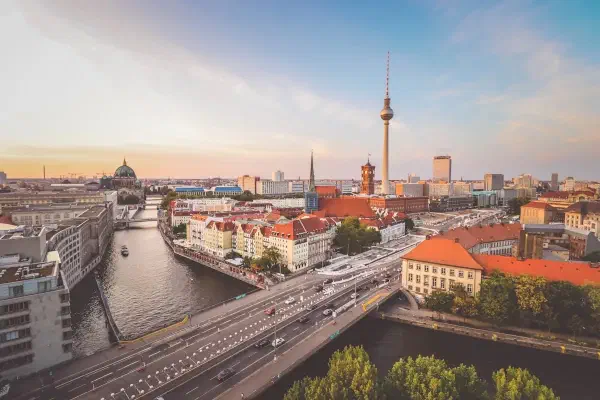

About the Destination#
Regensburg, nestled in the heart of Bavaria, Germany, is a city that time seems to have graciously overlooked. Located approximately 125 kilometers north of Munich, it stands proudly on the banks of the majestic Danube River. With a population of around 155,000 inhabitants, Regensburg is a vibrant yet remarkably tranquil city that boasts one of Europe’s most extensive and best-preserved medieval city centers. This historical jewel was rightfully recognized as a UNESCO World Heritage Site in 2006, a testament to its enduring architectural legacy and cultural significance.
The history of Regensburg stretches back over two millennia. Founded by the Romans in 179 AD as the legionary fortress of Castra Regina, it quickly evolved into a vital trading hub and later a powerful bishopric and seat of dukes. Its strategic location on the Danube facilitated its rise to prominence, making it a crucial center during the Holy Roman Empire. One particularly fascinating historical tidbit is Regensburg’s role as the site of the Perpetual Imperial Diet (Reichstag) from 1663 to 1806, making it the de facto capital of the Holy Roman Empire for an extended period. This rich past is palpable as you wander through its ancient streets, where echoes of Roman soldiers, medieval merchants, and imperial dignitaries seem to linger in the air.
Reaching Regensburg is refreshingly straightforward. From Munich Hauptbahnhof, the journey by Regional Express train typically takes between 1.5 to 2 hours, making it an ideal day trip destination. The distance is approximately 125 kilometers. Frankfurt Airport (FRA) is further afield, about a 4-hour drive or a combination of high-speed train and regional connections. Istanbul, a major international hub, would involve a flight to Munich or another nearby German airport followed by a train journey.
The city’s character is best described as a captivating blend of historical gravitas and relaxed, authentic German living. The atmosphere is one of serene grandeur; the imposing Gothic architecture of the cathedral and the sturdy medieval walls create a sense of timelessness, while the bustling cafes and the gentle flow of the Danube inject a contemporary vibrancy. Unlike some overtly tourist-centric cities, Regensburg retains a genuine feel, with locals going about their daily lives amidst centuries-old buildings. The people are generally perceived as friendly and reserved, embodying the characteristic Bavarian warmth and pragmatism. You’ll encounter a mix of students from the local university, established families whose roots run deep in the city, and discerning visitors drawn to its historical allure. The climate mirrors that of Bavaria, with distinct seasons: warm, pleasant summers perfect for riverside activities; crisp, colorful autumns; cold, sometimes snowy winters ideal for cozying up in a café; and vibrant springs bursting with life.
You should visit Regensburg if you are seeking an authentic and immersive historical experience without the overwhelming crowds often found in larger European cities. It’s a place where you can genuinely step back in time, explore magnificent architectural wonders, and savor the slower pace of life. Regensburg appeals to history buffs, architecture enthusiasts, and anyone who appreciates the beauty of well-preserved medieval urban landscapes. It offers a unique opportunity to witness a city that has not only survived the ravages of time but has thrived, maintaining its historical integrity while embracing modern life. Prepare to be enchanted by its timeless charm and the stories whispered by its ancient stones.
Places to Visit#
Regensburg’s Altstadt is a treasure trove of historical sites, offering a journey through centuries of Roman, medieval, and Baroque architecture. With its UNESCO World Heritage status, the city is packed with fascinating landmarks.
1. Steinerne Brücke (Stone Bridge)#
The iconic symbol of Regensburg, the Steinerne Brücke, is an absolute must-see. This magnificent medieval bridge, dating back to the 12th century, spans the mighty Danube River and was once one of the longest stone bridges in Europe. Remarkably, it still stands strong and is open to pedestrians, offering breathtaking views of the city’s skyline, dominated by the twin spires of the Regensburg Cathedral. As you walk across its robust arches, you can almost feel the passage of countless merchants, soldiers, and pilgrims who crossed this very path centuries ago. The bridge is an engineering marvel of its time and a crucial element of Regensburg’s historical significance.
- Google Maps: Steinerne Brücke Regensburg
- Tip: Visiting the Steinerne Brücke during the early morning mist or at sunset provides a truly magical perspective. The golden hues of the setting sun reflecting off the ancient stones are unforgettable.
2. Dom St. Peter (Regensburg Cathedral)#
The Cathedral of St. Peter, or Regensburg Dom, is Bavaria’s most significant Gothic cathedral and a true architectural masterpiece. Construction began in the 13th century and continued for centuries, with its final completion only occurring in the 19th century. The sheer scale of the interior is awe-inspiring, with soaring vaulted ceilings, intricate stained-glass windows that cast ethereal light, and detailed sculptural work adorning every corner. The acoustics within the cathedral are also renowned, making any musical performance within its walls a profound experience. Entry to the cathedral is free, allowing everyone to appreciate its grandeur.
- Google Maps: Regensburg Cathedral
- Personal Observation: During our visit, we were fortunate enough to hear a rehearsal by the Regensburger Domspatzen, the cathedral’s world-famous boys’ choir, one of the oldest of its kind. The purity of their voices echoing through the vast space was incredibly moving. Attending a Sunday service to hear them perform is highly recommended if your visit aligns.
3. Porta Praetoria#
A remarkable relic from Regensburg’s Roman past, the Porta Praetoria is the northern gate of the ancient Roman city of Castra Regina, dating back to 179 AD. What makes this site so intriguing is that this imposing Roman structure is now integrated into a modern shop building, visible from inside. Standing before it, you are looking at a direct trace of the Roman Empire’s presence in Bavaria, a tangible link to a distant era. It’s a testament to Regensburg’s layered history, where Roman foundations lie beneath medieval streets.
- Google Maps: Porta Praetoria Regensburg
4. Italian Tower Houses (Geschlechtertürme)#
Regensburg’s skyline is uniquely punctuated by the presence of numerous medieval tower houses, known as Geschlechtertürme. In the Middle Ages, wealthy and influential merchant families built these imposing towers not only as residences but also as potent symbols of their power, wealth, and prestige. Approximately 20 of these impressive towers still stand today, contributing to Regensburg’s distinctive cityscape, which bears a striking resemblance to Italian medieval cities like San Gimignano. The Baumburger Turm and the Goldener Turm are particularly noteworthy and should be sought out during your exploration.
- Google Maps (Goldener Turm): Goldener Turm Regensburg
5. Altstadt Walk (Old Town Exploration)#
The true magic of Regensburg lies in simply wandering through its Altstadt. Each street, alleyway, and hidden courtyard tells a story. As you meander, you’ll stumble upon impeccably preserved historic buildings, from grand patrician houses to humble artisan workshops, all still very much in use. The absence of overwhelming tourist crowds allows you to experience the city’s authentic rhythm, observing locals engage in their daily routines against a backdrop of centuries-old architecture. It’s an immersive experience that allows the city’s history to unfold organically around you.
6. Danube Riverside and Stadtamhof#
The banks of the Danube River offer a serene and picturesque escape. Strolling along the riverside, especially on both sides of the Steinerne Brücke, provides delightful views of the city and the river’s gentle flow. During the summer months, the riverside becomes a popular spot for locals to relax, picnic, and even swim, creating a lively and convivial atmosphere. The charming district of Stadtamhof, located across the river from the main Altstadt, is also worth exploring, offering a slightly different but equally historic perspective of Regensburg.
- Google Maps (Danube Riverside): Danube Riverbank Regensburg
- Google Maps (Stadtamhof): Stadtamhof Regensburg
7. Historische Wurstküche (Historic Sausage Kitchen)#
Adjacent to the Steinerne Brücke, you’ll find the Historische Wurstküche, a culinary institution that has been serving its famous sausages in the very same spot since the 12th century. While it can get crowded, it’s an essential Regensburg experience. You can savor their traditional Regensburg sausages, typically served with mustard and sauerkraut, often while standing or sitting at communal tables, enjoying the bustling ambiance and the proximity to the river.
- Google Maps: Historische Wurstküche Regensburg
- Tip: Even if you don’t dine in, grabbing a sausage to go and enjoying it by the river is a perfect way to soak in the atmosphere.
8. Schloss Thurn und Taxis#
This magnificent palace, formerly the Thurn und Taxis Princely Palace, is a sprawling complex that offers a glimpse into the opulent lifestyle of one of Germany’s most prominent noble families. The palace itself was built over the foundations of a former Carolingian-era monastery, adding another layer to its historical significance. Tours of the opulent interiors are available and are highly recommended for those interested in art, history, and regal living.
- Google Maps: Schloss Thurn und Taxis Regensburg
- Admission: Entrance fees are typically around 15 EUR for the palace tour, which is a reasonable price for the historical insights and visual splendor offered.
- Opening Hours: Check the official website for current opening hours, as they can vary seasonally.
9. St. Emmeram’s Abbey#
Adjacent to the Thurn und Taxis Palace, St. Emmeram’s Abbey is a former Benedictine monastery that is now partly a Catholic church and partly a museum. Its history dates back to the 8th century, making it one of the oldest monastic sites in Bavaria. The abbey church itself is a beautiful example of Baroque architecture, with stunning frescoes and ornate decorations. Exploring the grounds and the church offers a serene counterpoint to the grandeur of the palace.
- Google Maps: St. Emmeram’s Abbey Regensburg
10. Old Stone Bridge Museum (Altes Schiffbauertor)#
This small but insightful museum, located near the Stone Bridge, delves into the history of the bridge and the city’s connection to the Danube River. It provides context and detail about the bridge’s construction, its importance for trade, and the lives of the people who depended on it. It’s a great place to deepen your understanding before or after walking across the bridge itself.
- Google Maps: Old Stone Bridge Museum Regensburg
11. Walhalla#
While technically a short train ride and bus trip away in Donaustauf, the Walhalla is a monumental classical temple that deserves mention as a popular excursion from Regensburg. Commissioned by King Ludwig I of Bavaria, it serves as a hall of fame for distinguished figures in German history and culture. The imposing structure offers panoramic views of the Danube Valley.
- Google Maps: Walhalla Donaustauf
- Travel Note: Easily accessible by bus from Regensburg.
12. Regensburg City Museum (Historisches Museum Regensburg)#
For a comprehensive dive into the city’s history, from its Roman origins to its medieval heyday and beyond, the Regensburg City Museum is an excellent choice. It houses a diverse collection of artifacts, including Roman relics, medieval art, and exhibits detailing Regensburg’s significant role in European history.
- Google Maps: Regensburg City Museum
- Opening Hours: Typically open Tuesday to Sunday, but it’s advisable to check their official website for the most up-to-date information.
Where to Eat#
Regensburg offers a delightful culinary scene, with a focus on traditional Bavarian cuisine, but also opportunities to explore international flavors. Prices are generally more affordable than in Munich.
Here are some recommendations:
- Historische Wurstküche: As mentioned, this is an iconic Regensburg experience.
- Type: Traditional Bavarian
- Price Range: € (Budget-friendly)
- Why Recommend: Historic ambiance, delicious local sausages by the Danube.
- Spitalgarten: A large, popular beer garden located within the historic grounds of the Spital brewery. It offers traditional Bavarian dishes and a wide selection of local beers in a lively, communal setting.
- Type: Traditional Bavarian Beer Garden
- Price Range: €€ (Mid-range)
- Why Recommend: Authentic beer garden experience, hearty food, and excellent local brews.
- Google Maps: Spitalgarten Regensburg
- Bischofshof am Dom: Located right near the cathedral, this restaurant offers a more refined dining experience with a focus on regional specialties and a good selection of wines. It’s a great option for a sit-down meal after exploring the sights.
- Type: Bavarian & German Cuisine
- Price Range: €€ - €€€ (Mid-range to slightly upscale)
- Why Recommend: Excellent location, quality regional dishes, and a pleasant atmosphere.
- Google Maps: Bischofshof am Dom Regensburg
- Gerd’s Restaurant: For those seeking a slightly more contemporary twist on German cuisine, Gerd’s offers creative dishes with fresh, seasonal ingredients. It’s a popular spot for both locals and visitors looking for a quality dining experience.
- Type: Modern German Cuisine
- Price Range: €€€ (Upscale)
- Why Recommend: Innovative dishes, great for a special occasion.
- Google Maps: Gerd’s Restaurant Regensburg
- Ristorante da Pietro: If you’re in the mood for Italian, this restaurant is often praised for its authentic dishes and welcoming atmosphere. It provides a nice change of pace from traditional Bavarian fare.
- Type: Italian
- Price Range: €€ (Mid-range)
- Why Recommend: Authentic Italian flavors, pleasant ambiance.
- Google Maps: Ristorante da Pietro Regensburg
Must-Try Local Delicacies in Regensburg:#
| Food Item | Description | Approximate Price (EUR) |
|---|---|---|
| Regensburger Bratwurst | A finely minced, seasoned pork sausage, typically grilled and served with mustard. | 3 - 6 (per sausage) |
| Schweinshaxe | Roasted pork knuckle, known for its crispy crackling and tender meat. | 12 - 18 |
| Kaiserschmarrn | A fluffy, shredded pancake, often served with fruit compote, dusted with powdered sugar. | 7 - 10 |
| Dampfnudeln | Steamed yeast dumplings, often served with vanilla sauce or fruit. | 6 - 9 |
| Local Bavarian Beer | Regensburg boasts excellent local breweries like Bischofshof and Spital. | 3.50 - 5 (0.5L) |
Accommodation#
Regensburg offers a range of accommodation options to suit various budgets and preferences. Staying within or close to the Altstadt is highly recommended for easy access to most attractions and the charming atmosphere.
Budget:
- Jugendherberge Regensburg (Hostel): A well-regarded hostel offering clean and affordable dormitory beds and private rooms. It’s a great option for solo travelers or those on a tight budget. Located conveniently within walking distance of the city center.
- Region: Near Altstadt
- EUR/Night: 20 - 50 (dorm), 60 - 90 (private)
- Description: Clean, friendly, good for meeting other travelers.
- Google Maps: Jugendherberge Regensburg
- Booking.com: Booking.com - Jugendherberge Regensburg
- Jugendherberge Regensburg (Hostel): A well-regarded hostel offering clean and affordable dormitory beds and private rooms. It’s a great option for solo travelers or those on a tight budget. Located conveniently within walking distance of the city center.
Mid-Range:
- Hotel Goliath am Dom: Situated directly opposite the Regensburg Cathedral, this hotel offers comfortable rooms with excellent views and a central location. It provides a good balance of comfort, amenities, and price.
- Region: Altstadt, overlooking the Cathedral
- EUR/Night: 100 - 160
- Description: Prime location, comfortable rooms, historical building.
- Google Maps: Hotel Goliath am Dom Regensburg
- Booking.com: Booking.com - Hotel Goliath am Dom Regensburg
- Ascotel Hotel Regensburg: A modern hotel offering comfortable and well-equipped rooms, often with good value for money. It’s a bit further from the immediate historic center but easily accessible by public transport or a moderate walk.
- Region: Slightly outside the core Altstadt, accessible
- EUR/Night: 80 - 130
- Description: Modern amenities, good value, convenient for transport links.
- Google Maps: Ascotel Hotel Regensburg
- Booking.com: Booking.com - Ascotel Hotel Regensburg
- Hotel Goliath am Dom: Situated directly opposite the Regensburg Cathedral, this hotel offers comfortable rooms with excellent views and a central location. It provides a good balance of comfort, amenities, and price.
Luxury:
- Sorat Hotel Regensburg: This hotel offers stylish rooms and a central location, often praised for its service and modern facilities. It’s a good choice for those seeking a more upscale experience in the heart of the city.
- Region: Central Altstadt
- EUR/Night: 150 - 250+
- Description: Chic design, excellent service, prime downtown location.
- Google Maps: Sorat Hotel Regensburg
- Booking.com: Booking.com - Sorat Hotel Regensburg
- Sorat Hotel Regensburg: This hotel offers stylish rooms and a central location, often praised for its service and modern facilities. It’s a good choice for those seeking a more upscale experience in the heart of the city.
Which area to stay? For first-time visitors and those wanting to immerse themselves in the historical ambiance, staying directly within the Altstadt is highly recommended. This puts you within easy walking distance of most major attractions, charming streets, and numerous dining options. Hotels bordering the Altstadt or across the river in Stadtamhof also offer great access and potentially more tranquil surroundings, with easy pedestrian access to the core.
Getting There & Getting Around#
Getting To Regensburg#
- By Train: Regensburg Hauptbahnhof (main station) is well-connected to major German cities.
- From Munich: Regional Express (RE) trains run frequently.
- Duration: Approx. 1.5 - 2 hours
- Approximate Price: Covered by Deutschlandticket (49 EUR/month for regional transport). Without Deutschlandticket, expect around 25-35 EUR for a standard ticket, with saver fares available if booked in advance.
- From Frankfurt: A combination of ICE (high-speed) and regional trains is usually required.
- Duration: Approx. 3.5 - 4.5 hours
- Approximate Price: 40 - 70 EUR (depending on booking time and train type).
- From Istanbul: Fly to Munich (MUC) or Nuremberg (NUE) airports. From Munich, take the train to Regensburg (approx. 1.5-2 hours). From Nuremberg, the train journey is also around 1.5 hours.
- Flight Cost: Varies significantly, but budget around 100-300 EUR for a one-way ticket depending on the season and airline.
- From Munich: Regional Express (RE) trains run frequently.
Deutschlandticket: Yes, the Deutschlandticket (49 EUR monthly pass) is valid for all regional trains (RE, RB, S-Bahn) and public transport within Regensburg. This makes day trips from Munich extremely affordable and convenient.
Getting Around Regensburg#
- Within the Altstadt: The best way to explore the historic city center is on foot. The streets are largely pedestrianized, and the compact nature of the Altstadt means most attractions are within easy walking distance of each other.
- Public Transport: Regensburg has an efficient bus network operated by Regensburger Verkehrsbetriebe (RVB). Buses are a good option for reaching areas slightly outside the immediate city center or for those who prefer not to walk long distances. The Deutschlandticket covers all RVB buses within the city.
- Taxis: Taxis are readily available at ranks or can be called. They are a convenient but more expensive option.
- Cycling: Regensburg is a relatively bike-friendly city, with dedicated bike paths along the Danube and through parts of the city. Bike rentals are available, offering a pleasant way to explore, especially along the river.
- Stroller Accessibility: The historic Altstadt, with its cobblestone streets and uneven pavements, can be challenging for strollers and wheelchairs. While manageable, be prepared for some bumpy terrain. The Danube riverside paths and newer areas are generally more accessible.
Our Experience#
Our visit to Regensburg was a delightful immersion into a bygone era. Stepping off the train at the Hauptbahnhof, we were immediately struck by how manageable and charming the city felt compared to the bustling metropolis of Munich. The short train ride from Munich was incredibly smooth, and the Deutschlandticket made it virtually cost-free, a huge plus for budget-conscious travelers.
What struck us most profoundly about Regensburg was its authenticity. It truly felt like a living, breathing medieval city, not just a museum piece. We spent hours simply wandering through the narrow, winding streets of the Altstadt, marveling at the intricate details of the tower houses and the sheer scale of the Cathedral. The Steinerne Brücke at sunset was a highlight – the ancient stones glowed with a warm light, and the panoramic view of the city and the Danube was simply breathtaking. It’s moments like these that remind you why you travel.
We particularly enjoyed the relaxed pace of life. Unlike some tourist hotspots where you’re constantly jostled, Regensburg felt calmer. We found ourselves lingering in small cafes, enjoying the local pastries and coffee, and observing the daily rhythm of the city. The Historische Wurstküche was exactly the kind of quirky, historical experience we love – standing by the river, enjoying a simple, delicious sausage was a perfect snapshot of Regensburg’s charm.
One aspect that we, as parents, noted was the cobblestone streets. While beautiful, navigating with a stroller required careful maneuvering. We found that sticking to the main routes and the Danube riverside paths was much easier with our little one. However, the city’s compact size and the abundance of interesting sights meant our child was generally engaged, with plenty of open spaces near the river for a break.
Regensburg offered a wonderful contrast to some of the other places we’ve explored in Bavaria. While Munich has its grand squares and lively beer halls, Regensburg provides a more intimate and historically focused experience. It’s a testament to Germany’s ability to preserve its heritage while embracing modernity.
SITE ICI LINK: For those planning a trip around Bavaria, Regensburg fits perfectly into a broader itinerary. Consider it as a fantastic day trip from Munich, or a stop on a longer journey exploring other Bavarian gems. You might also find our guides to other nearby cities and day trip options useful:
- Deutschlandticket Day Trips from Munich | Bavaria with Kids (2026) - Explore more affordable adventures.
- Augsburg Travel Guide | Roman City 35 Minutes from Munich (2026) - Another fascinating historical city within easy reach.
- Ingolstadt Travel Guide | Danube City 1 Hour from Munich (2026) - A city with a rich industrial and ducal history.
Frequently Asked Questions#
1. How do I get to Regensburg from Munich? The most convenient way is by regional train (Regional Express) from Munich Hauptbahnhof. The journey takes approximately 1.5 to 2 hours. The Deutschlandticket is valid for this journey, making it a very affordable option at just 49 EUR per month for unlimited regional travel.
2. Is Regensburg a UNESCO World Heritage Site? Yes, Regensburg’s historic center, including the Altstadt and Stadtamhof, was designated a UNESCO World Heritage Site in 2006. This recognition highlights its exceptional preservation of medieval urban structure and architecture.
3. Can Regensburg be visited in a single day? Absolutely. A day trip from Munich is very common and allows you to see the main highlights like the Steinerne Brücke, the Cathedral, and wander through the Altstadt. For a more relaxed pace or to include attractions like Schloss Thurn und Taxis, an overnight stay is recommended.
4. Is Regensburg suitable for families with young children or strollers? Regensburg offers a rich historical experience that can engage children, with its impressive cathedral and fascinating medieval streets. However, the cobblestone streets in the Altstadt can be challenging for strollers. The Danube riverside and Stadtamhof offer more accessible areas.
5. What is the best time of year to visit Regensburg? The best times to visit are during the spring (April-May) and autumn (September-October) when the weather is pleasant, and the crowds are generally smaller than in peak summer. Summer offers warm weather ideal for exploring the Danube but can be busier. Winter provides a quieter, festive atmosphere, especially around Christmas markets.
6. What are the must-try local foods in Regensburg? You absolutely must try the Regensburger Bratwurst, a local sausage specialty. Other Bavarian classics like Schweinshaxe (pork knuckle), Kaiserschmarrn (shredded pancake), and Dampfnudeln (steamed dumplings) are also widely available and delicious. Enjoying a local beer from breweries like Bischofshof or Spital is also a must.
7. Do I need to book accommodation in advance? It is highly recommended to book accommodation in advance, especially if you plan to visit during peak season (summer, holidays) or on weekends. Regensburg is a popular destination, and hotels, particularly those in prime locations within the Altstadt, can fill up quickly.