
About the Destination#
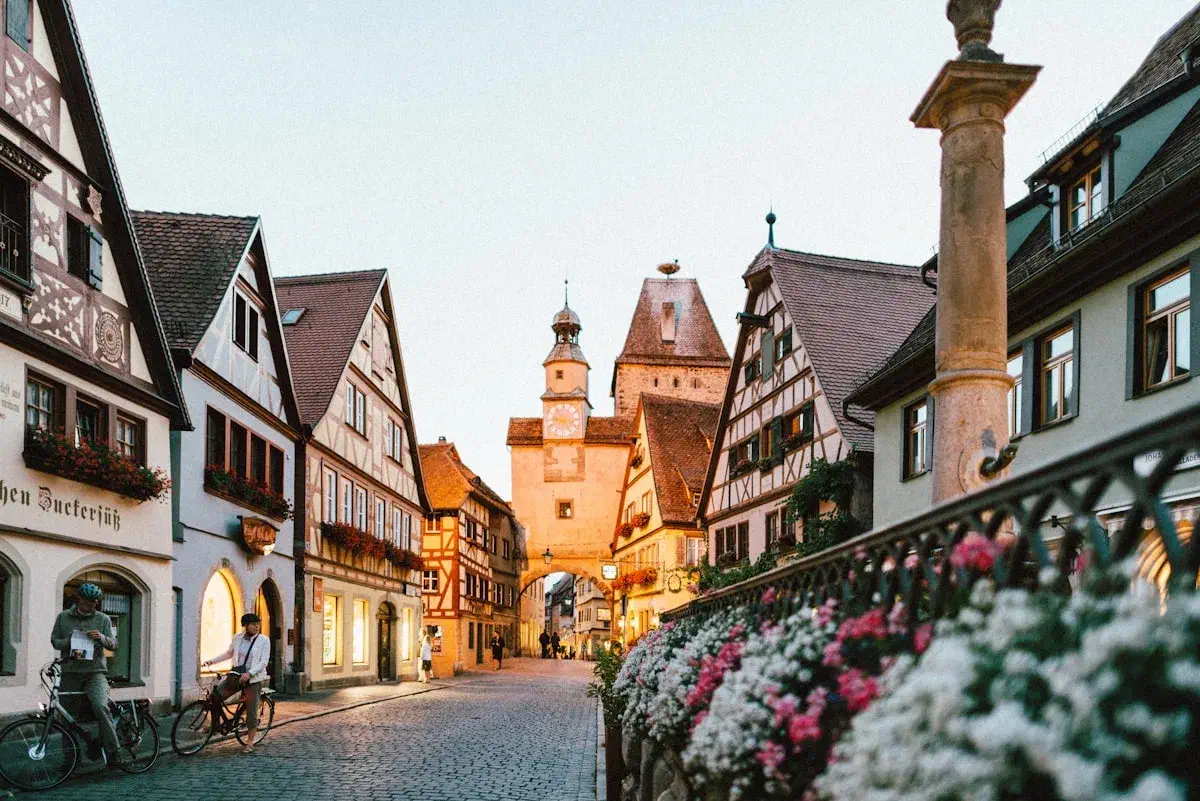
The Deutschlandticket isn’t a single destination, but rather a key to unlocking the vast and diverse landscapes of Germany, with Munich serving as a phenomenal starting point. Located in the heart of Bavaria, Germany’s largest state, Munich boasts a population of over 1.5 million people within its city limits and a metropolitan area exceeding 6 million. Bavaria itself is a federal state in the southeast of Germany, known for its picturesque alpine scenery, historic cities, and vibrant culture.
Historically, Bavaria has been a powerful duchy, kingdom, and now a state with a rich heritage dating back centuries. From the Wittelsbach dynasty’s long reign to its role in the unification of Germany, Bavaria’s past is deeply intertwined with European history. A particularly fascinating tidbit is that the Oktoberfest, the world’s largest folk festival, originated as a royal wedding celebration in 1810.
Munich’s strategic location makes it an ideal hub for exploration. It’s approximately 585 kilometers from Berlin, Germany’s capital, taking around 4-5 hours by high-speed train (which is not covered by the Deutschlandticket, but still accessible). It’s about 770 kilometers from Hamburg in the north, a journey best suited for longer trips. Closer to home, the Austrian city of Salzburg is just about 145 kilometers away, a mere 1.5-hour train ride, making it a popular cross-border excursion. The picturesque town of Füssen, gateway to Neuschwanstein Castle, is roughly 130 kilometers southwest of Munich, reachable in about 2 hours by regional train.
The atmosphere in Munich and the surrounding Bavarian region is a unique blend of tradition and modernity. You’ll find a strong sense of Gemütlichkeit – a cozy, warm, and friendly feeling – that permeates Bavarian life. The city itself is remarkably clean, efficient, and well-organized, yet retains a charming, almost village-like feel in its older districts. The people are generally perceived as friendly, pragmatic, and proud of their regional identity. While Bavarians have a reputation for being a bit more reserved than, say, their counterparts in the north, they are known for their strong sense of community and hospitality once you get to know them. The air often carries the scent of freshly baked pretzels and beer gardens, a testament to the region’s culinary delights.
You should visit this region because the Deutschlandticket has democratized travel in a way that was previously unimaginable. For a mere 49 EUR per month, the entire public transport network of Germany is at your fingertips. This allows for spontaneous adventures, budget-friendly exploration, and a deep dive into the diverse beauty of Germany. From fairytale castles nestled in the Alps to serene lakes, charming medieval towns, and bustling cities, Bavaria offers an unparalleled variety of experiences, all made accessible and affordable by this incredible travel pass. It’s an invitation to discover hidden gems, revisit beloved landmarks, and create lasting memories without breaking the bank.
Places to Visit#
The Deutschlandticket opens up a world of possibilities for day trips from Munich. Given its popularity and the sheer number of accessible locations, we’ll cover a comprehensive list that goes beyond the absolute essentials, offering a rich tapestry of experiences for every traveler.
1. Füssen and Neuschwanstein Castle#
Google Maps Füssen is a charming medieval town that serves as the primary gateway to the iconic Neuschwanstein Castle. The town itself is worth exploring, with its cobblestone streets, colorful facades, and the historic Hohes Schloss (High Castle). The Lech River flows through the town, adding to its picturesque beauty. Füssen offers a glimpse into traditional Bavarian life, with local shops selling crafts and delicious regional treats. The castle, perched dramatically on a rugged hill, is an unmissable sight, famous for its fairy-tale architecture that inspired Walt Disney’s Sleeping Beauty Castle.
Why visit: Neuschwanstein Castle is an architectural marvel and a photographer’s dream. The surrounding Alpine scenery is breathtaking. Füssen provides a delightful contrast with its authentic, less crowded town atmosphere. Practical information: Entry tickets to Neuschwanstein Castle must be booked online in advance, as daily visitor numbers are strictly limited. From Füssen train station, you’ll need to take a local bus to reach the castle entrance (this bus fare is not covered by the Deutschlandticket). The walk up to the castle can be steep, but there are also horse-drawn carriages and shuttle buses available for an extra fee. For those with strollers, the walk around the castle grounds is manageable, but the interior of the castle involves many stairs. Our experience: We visited Neuschwanstein on a crisp autumn morning. Arriving early was key to avoiding the largest crowds, and the golden sunlight illuminating the castle against the deep blue sky was simply magical. The sheer scale and romanticism of the castle, despite its relatively short history, left us in awe. Afterward, we enjoyed a leisurely stroll through Füssen, grabbing a traditional Bavarian pretzel from a local bakery.
2. Garmisch-Partenkirchen#
Google Maps Nestled at the foot of Germany’s highest peak, the Zugspitze, Garmisch-Partenkirchen is a renowned alpine resort town that transforms from a winter wonderland for skiers into a hiker’s paradise in the warmer months. The town itself is a picturesque blend of traditional Bavarian architecture, with charming gabled houses adorned with flower boxes. The surrounding mountain landscape is spectacular, offering panoramic views and a sense of serene natural beauty.
Why visit: Experience the grandeur of the Alps, breathe in the fresh mountain air, and explore the stunning natural beauty. The Partnach Gorge is a particular highlight, a dramatic canyon carved by the river. Practical information: The Zugspitze summit can be reached via a cogwheel train and cable car, but this is an expensive excursion separate from the Deutschlandticket. The Partnach Gorge is accessible by foot from the town center or via a short bus ride. The entrance fee for the gorge is modest. For families with strollers, the path leading to the Partnach Gorge entrance is generally accessible, though the gorge itself is not stroller-friendly due to its narrow, uneven terrain. Our experience: We spent a day hiking near Garmisch, and the air was incredibly invigorating. The walk along the river offered stunning views of the surrounding peaks. While we didn’t venture up the Zugspitze with the little ones, the sheer presence of Germany’s highest mountain was impressive. The town itself felt like a postcard, with its well-maintained streets and friendly atmosphere.
3. Starnberg Lake (Starnberger See)#
Google Maps Starnberg Lake, or Starnberger See, is Munich’s most accessible and beloved recreational lake, often referred to as the “blue crown” of Bavaria. Located just a short S-Bahn ride from the city center, it offers a refreshing escape with its clear waters and scenic shores. Several towns dot the lakeshore, including Starnberg, Tutzing, and Pöcking, each offering its own charm and access points to the lake.
Why visit: Perfect for a relaxing day out, especially during warmer months. It’s ideal for swimming, picnicking, leisurely walks, and enjoying beautiful lake views. Practical information: The lakeside walking path is largely flat and well-maintained, making it exceptionally suitable for strollers and young children. Various points along the lake offer opportunities for boat rentals or scenic boat tours (these incur additional costs). Many areas are equipped with playgrounds and picnic spots. Our experience: We visited Starnberg Lake on a sunny Sunday afternoon. It was a hive of activity, with families enjoying barbecues, children splashing in the shallows, and people sailing. The path along the water was perfect for our stroller, allowing us to wander at a relaxed pace while the kids took in the sights and sounds of the lake. It felt like a true local escape from the city bustle.
4. Salzburg, Austria#
Google Maps While technically in Austria, Salzburg is so close to Munich that it’s a quintessential day trip destination easily reachable with a slight adjustment to the Deutschlandticket. Known as the birthplace of Mozart and the setting for “The Sound of Music,” Salzburg is a city of unparalleled beauty, boasting Baroque architecture, a magnificent fortress, and the charming Getreidegasse. The Salzach River gracefully flows through the city, dividing the Old Town (Altstadt) from the modern districts.
Why visit: Immerse yourself in the rich musical heritage, explore a stunningly preserved medieval and Baroque city, and enjoy the breathtaking views from Hohensalzburg Fortress. Practical information: The Deutschlandticket is valid on regional trains up to the German border station of Freilassing. From Freilassing, you will need to purchase a separate ticket for the short journey into Salzburg (~5-10 EUR). The Old Town’s streets are charming but can be cobblestoned, requiring some care with strollers. Hohensalzburg Fortress offers an elevator for easier access. Our experience: Salzburg was a highlight of our Bavarian adventures. The combination of Mozart’s legacy and the incredible setting of the fortress overlooking the city was captivating. We found the Old Town to be incredibly walkable, and the views from the fortress were spectacular. It felt like stepping back in time.
5. Chiemsee (Chiem Lake)#
Google Maps Often called the “Bavarian Sea,” Chiemsee is Bavaria’s largest lake and a stunning natural attraction. Its most famous feature is the island of Herreninsel, home to the magnificent Herrenchiemsee Palace, a lavish unfinished palace built by King Ludwig II, designed as a replica of the Palace of Versailles. The lake also boasts Fraueninsel, a smaller, inhabited island with a charming Benedictine convent.
Why visit: Experience the grandeur of Ludwig II’s palace, enjoy the beautiful lake scenery, and explore tranquil island communities. Practical information: The most convenient train station to access Chiemsee is Prien am Chiemsee. From the station, it’s a short walk or bus ride to the ferry docks. Ferry tickets to the islands are a separate cost (around 10 EUR round trip). Entry to Herrenchiemsee Palace also requires a separate ticket. The areas around the ferry docks and the palace grounds are generally stroller-friendly. Our experience: The boat trip across Chiemsee was a delightful prelude to visiting Herrenchiemsee Palace. The palace itself is an extravagant display of wealth and ambition, with its Hall of Mirrors being particularly breathtaking. Wandering the island grounds offered beautiful views of the lake and surrounding Alps.
6. Augsburg#
Google Maps Augsburg is one of Germany’s oldest cities, boasting a rich history that spans over 2,000 years, dating back to Roman times. It served as a major center of the Renaissance and played a pivotal role in the Reformation. Today, it’s a vibrant city with a beautifully preserved historic center, featuring stunning architecture and fascinating historical sites.
Why visit: Discover a city with deep historical roots, explore unique social housing projects, and admire impressive cathedrals and guild houses. Practical information: Augsburg’s city center is compact and very walkable. The streets are largely flat, making it an excellent destination for families with strollers. A must-see is the Fuggerei, the world’s oldest continuously existing social housing complex, founded in 1521 by the wealthy Fugger family. Our experience: We found Augsburg to be a hidden gem. The Fuggerei was particularly moving, offering a tangible connection to centuries of social welfare. The city center felt grand yet accessible, and it was easy to navigate with our little ones in tow.
7. Berchtesgaden National Park & Königssee#
Google Maps Berchtesgaden National Park is a spectacular natural wonderland in the Bavarian Alps, characterized by dramatic mountain peaks, crystal-clear lakes, and lush valleys. The crown jewel of the park is Königssee (King’s Lake), a stunning emerald-green lake with sheer cliff faces plunging into its depths, accessible only by electric-powered boats. The region is also historically significant, being the site of Hitler’s Eagle’s Nest (Kehlsteinhaus).
Why visit: Experience some of Germany’s most dramatic alpine scenery, take a serene boat trip on Königssee, and delve into the region’s complex history. Practical information: To reach Königssee, you’ll typically take a regional train to Berchtesgaden Hauptbahnhof and then a local bus. Boat trips on Königssee are a significant attraction and incur a separate fee. The Königssee boat pier area is flat and accessible. Visiting the Eagle’s Nest involves a special bus service and then an elevator, which can be managed with strollers with some effort. Our experience: The boat trip on Königssee was an absolutely unforgettable experience. Gliding across the impossibly clear, tranquil water surrounded by towering mountains felt almost spiritual. The echo demonstration by the boat captain was a delightful surprise. The sheer natural beauty here is unparalleled.
8. Tegernsee#
Google Maps Tegernsee is another beautiful Bavarian lake, located in the Bavarian Alps, south of Munich. It’s a popular destination for recreation, offering a variety of activities such as swimming, sailing, and hiking. The towns surrounding the lake, like Tegernsee, Rottach-Egern, and Gmund, are charming and picturesque, each with its own character and lakeside promenades.
Why visit: A more tranquil and less crowded alternative to Starnberg Lake, offering stunning mountain backdrops and opportunities for relaxation and outdoor activities. Practical information: The train journey to Tegernsee is scenic. The lakeside paths are generally flat and well-suited for strollers. Many lakeside restaurants and beer gardens offer lovely views. Our experience: Tegernsee felt more serene and upscale than Starnberg. We enjoyed a leisurely walk along the promenade, stopping for coffee and cake at a lakeside café. The clarity of the water and the majestic mountains surrounding it made for a truly idyllic setting.
9. Regensburg#
Google Maps Regensburg, a UNESCO World Heritage site, is a wonderfully preserved medieval city on the banks of the Danube River. Its historic Old Town is a labyrinth of narrow alleys, impressive Gothic architecture, and charming squares. The iconic Stone Bridge, built in the 12th century, is a marvel of medieval engineering and offers spectacular views of the city skyline, dominated by the magnificent Regensburg Cathedral.
Why visit: Step back in time and experience one of Germany’s best-preserved medieval cities. The atmosphere is rich with history and architectural beauty. Practical information: Regensburg’s historic center is very walkable, and the streets are mostly flat, making it quite stroller-friendly. The cathedral and the Stone Bridge are central attractions. Our experience: Regensburg has an incredible sense of history. Walking across the ancient Stone Bridge, imagining all the people who had traversed it over centuries, was a powerful experience. The cathedral is immense and awe-inspiring, and the entire Old Town feels like an open-air museum.
10. Lindau (Lake Constance)#
Google Maps Lindau is a picturesque island town situated on Lake Constance (Bodensee), a large lake bordering Germany, Austria, and Switzerland. The historic old town, located on the island, is a delightful maze of narrow streets, medieval buildings, and a beautiful harbor entrance marked by a lion statue and a lighthouse.
Why visit: Experience the unique charm of an island town, enjoy stunning lake views, and explore a historic port city. Practical information: From Munich, Lindau is accessible by regional train. The island town itself is very walkable. The harbor area is flat and pleasant for strollers. Our experience: Lindau felt like a Mediterranean town transplanted to Bavaria. The juxtaposition of the colorful buildings, the sparkling lake, and the alpine backdrop was captivating. Walking around the harbor, watching the boats, was a wonderfully relaxing way to spend the day.
11. Rothenburg ob der Tauber (Longer Day Trip)#
Google Maps While a longer day trip, Rothenburg ob der Tauber, a perfectly preserved medieval walled town, is often considered the quintessential “Romantic Road” destination. Its well-preserved fortifications, timber-framed houses, and charming market square transport visitors back in time.
Why visit: Immerse yourself in the ultimate medieval fairy-tale town experience. Practical information: This is a longer journey, usually requiring a couple of train changes. The town itself is very walkable but has cobblestones. The wall walk is a fantastic experience but not stroller-friendly. Our experience: Rothenburg is truly magical, especially in the early morning or late evening before or after the day-trippers arrive. It feels like stepping onto a movie set. While we managed with the stroller on the main streets, exploring the upper ramparts would have been challenging with it.
12. Ingolstadt#
Google Maps Ingolstadt is a historic city situated on the Danube River, about an hour north of Munich. It’s known for its well-preserved Renaissance old town, its impressive Bavarian Army Museum housed in a ducal castle, and its modern identity as the home of Audi.
Why visit: Explore a less touristy but historically rich Bavarian city, discover its ducal past, and experience a blend of history and modern industry. Practical information: Ingolstadt is easily accessible by regional train. The city center is compact and pleasant for walking, with good stroller accessibility. Our experience: Ingolstadt offered a refreshing change from the more tourist-heavy destinations. The castle and the museum provided a fascinating insight into Bavarian history, and the city felt very lived-in and authentic.
Where to Eat#
Exploring Bavaria with the Deutschlandticket means you’ll work up an appetite! Thankfully, the region offers a delightful culinary scene, from hearty traditional fare to charming cafés.
Here are a few recommendations, focusing on different experiences:
Augustiner-Keller (Google Maps)
- Type: Traditional Bavarian Beer Hall and Garden
- Price Range: €15-€25 per person for a main course and drink
- Why Recommended: A Munich institution, Augustiner-Keller offers an authentic beer garden experience under chestnut trees, serving classic Bavarian dishes like Schweinshaxe (pork knuckle) and Schnitzel. Their beer is excellent, and the atmosphere is lively and convivial. It’s a must-visit for a true Bavarian feast.
- Must-Try Local Delights:
Dish Description Approximate Price Schweinshaxe Roasted pork knuckle with crispy skin €15-€18 Weißwurst Traditional white sausage, typically eaten before noon €8-€10 Brezn Soft, salted pretzel €2-€3 Obatzda Cheese spread made from Camembert and paprika €6-€8
Andechs Monastery Brewery (Google Maps)
- Type: Monastery Brewery Restaurant
- Price Range: €18-€30 per person for a main course and drink
- Why Recommended: Located on the Heiliger Berg (Holy Mountain) near Lake Ammersee, this Benedictine monastery is famous for its hearty food and exceptional beers brewed on-site. The panoramic views from the terrace are stunning. It’s accessible via a regional train to Herrsching and then a bus or a pleasant hike up the hill.
- Must-Try Local Delights:
Dish Description Approximate Price Grilled Hendl Half a roasted chicken, a popular beer garden dish €12-€15 Deftiger Brotzeitteller Platter with assorted meats, cheeses, and bread €18-€22 Klosterbier Monastic beer, various types available €4-€5
Kaffeehaus Nathan (Füssen) (Google Maps)
- Type: Charming Café and Patisserie
- Price Range: €8-€15 per person for cake and coffee
- Why Recommended: Located in the picturesque town of Füssen, this café is perfect for a mid-afternoon treat after visiting Neuschwanstein Castle. They offer a delightful selection of homemade cakes, pastries, and excellent coffee in a cozy, traditional setting.
- Must-Try Local Delights:
Dish Description Approximate Price Apfelstrudel Traditional apple strudel with vanilla sauce €4-€6 Schwarzwälder Kirschtorte Black Forest Gateau €5-€7 Kaiserschmarrn Shredded pancake with fruit compote €7-€9
Gasthof Zum Hirschen (Garmisch-Partenkirchen) (Google Maps)
- Type: Traditional Bavarian Inn
- Price Range: €15-€25 per person for a main course
- Why Recommended: This traditional inn offers a warm atmosphere and serves classic Bavarian cuisine. It’s a great spot to refuel after exploring the Garmisch-Partenkirchen area. Their focus is on fresh, local ingredients.
- Must-Try Local Delights:
Dish Description Approximate Price Kasspatzn Bavarian cheese noodles with fried onions €10-€13 Wurstsalat Sliced sausage salad with vinaigrette €8-€10 Bayerische Brotzeit Selection of cold cuts, cheese, bread, and pickles €14-€18
Accommodation#
While the Deutschlandticket focuses on day trips, if you decide to stay overnight in various Bavarian towns, here’s a guide to accommodation options:
General Advice: For day trips, booking accommodation in Munich is usually the most practical choice, given its excellent transport links. However, staying overnight in smaller towns can offer a more immersive experience. Look for places close to the train station for ease of access.
Budget Hostels (e.g., Wombat’s City Hostel Munich)
- Region: Primarily in larger cities like Munich.
- EUR/night: €25-€45 per person for a dorm bed.
- Description: Great for solo travelers or groups on a tight budget. Offer shared dormitories and often private rooms. They usually have communal kitchens, lounges, and a social atmosphere. Good for meeting other travelers.
- Example: Wombat’s City Hostel Munich (Google Maps | Booking.com)
Mid-Range Hotels (e.g., Hotel Vier Jahreszeiten Starnberg)
- Region: Available in most towns and cities.
- EUR/night: €80-€150 for a double room.
- Description: Comfortable and well-equipped hotels offering private rooms with en-suite bathrooms. They usually include breakfast and provide standard amenities like Wi-Fi and television. A good balance of comfort and price.
- Example: Hotel Vier Jahreszeiten Starnberg (Google Maps | Booking.com)
Boutique or Traditional Guesthouses (e.g., Pension Marienhof in Füssen)
- Region: Common in picturesque towns and villages.
- EUR/night: €70-€130 for a double room.
- Description: Often family-run establishments offering a more personal touch and traditional Bavarian charm. They can be found in historic buildings and provide a cozy, intimate atmosphere. Breakfast is usually included.
- Example: Pension Marienhof (Google Maps | Booking.com)
Luxury Hotels (e.g., Vier Jahreszeiten Kempinski München)
- Region: Primarily in larger cities like Munich, or high-end resorts in scenic areas.
- EUR/night: €200+ for a double room.
- Description: Offer premium amenities, spacious rooms, fine dining options, spas, and exceptional service. For those seeking a truly indulgent experience.
- Example: Vier Jahreszeiten Kempinski München (Google Maps | Booking.com)
Which area to stay? For day trips using the Deutschlandticket, staying in Munich offers the most convenience due to its central location and extensive train network. However, if you’re focusing on a specific region, like the area around Füssen or the lakes, staying locally can enhance your experience and reduce travel time on some days.
Getting There & Getting Around#
From Major Hubs to Munich#
- By Plane: Munich Airport (MUC) is a major international hub. From the airport, you can reach the city center via the S-Bahn (S1 and S8 lines). This journey takes about 40-45 minutes and is covered by the Deutschlandticket.
- By Train: Munich Hauptbahnhof (Central Station) is a major railway junction in Germany and Europe. It’s well-connected to all major German cities and many international destinations.
- ICE (Intercity-Express) Trains: High-speed trains. Not covered by the Deutschlandticket.
- Example: Munich to Berlin: Approx. 4-5 hours, €80-€150+
- Example: Munich to Frankfurt: Approx. 3-3.5 hours, €70-€130+
- Regional Trains (RE, RB): Covered by the Deutschlandticket.
- Example: Munich to Salzburg (border): Approx. 1.5 hours, included with Deutschlandticket (plus small fee for Austria)
- Example: Munich to Füssen: Approx. 2 hours, included with Deutschlandticket
- ICE (Intercity-Express) Trains: High-speed trains. Not covered by the Deutschlandticket.
- By Bus: Long-distance bus services like FlixBus operate to Munich. These are generally cheaper than trains but slower. Not covered by the Deutschlandticket.
- Example: Munich to Prague: Approx. 5-6 hours, €20-€40+
Deutschlandticket Validity#
Yes, the Deutschlandticket is valid for most regional and local public transport throughout Bavaria and Germany. This includes:
- S-Bahn (city trains)
- U-Bahn (subway)
- Trams
- Buses (local and regional)
- Regional Trains (RE, RB, IRE)
It is NOT valid for:
- ICE, IC, EC (high-speed and long-distance trains)
- Private bus lines (e.g., many tourist buses)
- Most transport in Austria and Switzerland (though it’s valid to the border towns).
City and Regional Travel from Munich#
- Deutschlandticket for Day Trips: As detailed in the “Places to Visit” section, the Deutschlandticket makes day trips incredibly affordable. The journeys listed are all feasible using regional transport covered by the ticket.
- Local Transport in Munich: The MVV (Münchner Verkehrs- und Tarifverbund) network within Munich (U-Bahn, trams, buses) is fully covered by the Deutschlandticket.
- Inter-city Travel (Non-Deutschlandticket): For destinations requiring ICE or IC trains, booking in advance through Deutsche Bahn (bahn.de) is recommended for better prices.
Within the Cities#
Most of the towns and cities mentioned are quite walkable, especially their historic centers. For longer distances within larger cities like Munich, or for reaching trailheads outside of town centers, the public transport system covered by the Deutschlandticket is excellent.
- Walking: Ideal for exploring the compact historic centers of places like Füssen, Augsburg, Regensburg, and Rothenburg ob der Tauber.
- Cycling: Many cities offer bike rental schemes. In Munich, you can rent bikes from various providers. This is a fantastic way to explore parks and riverside paths.
- Stroller Accessibility: As noted in the “Places to Visit” section, most main tourist attractions and city centers are reasonably accessible for strollers. However, very old towns with cobblestones or steep inclines might present challenges. Research specific routes if this is a primary concern.
Our Experience#
Traveling with the Deutschlandticket and a double stroller across Bavaria has been an absolute game-changer for our family. It has made exploring Germany so much more accessible and affordable, transforming what could be expensive family outings into everyday adventures.
What We Loved:
- Unbeatable Value: The 49 EUR monthly price tag for unlimited regional travel is astonishing. It removed financial barriers that previously made extensive day trips seem daunting. We could spontaneously decide to visit a new town or revisit a favorite spot without a second thought about ticket prices.
- Freedom and Flexibility: The ability to hop on and off regional trains as needed, without being tied to specific high-speed schedules, provided a sense of freedom. We found that regional trains often stopped at more convenient locations for smaller towns.
- Family-Friendly Travel: The regional trains and S-Bahns are generally spacious and accommodating for families. We rarely felt stressed about finding space for our double stroller, and most stations had elevators or ramps, making transfers smoother than we initially feared.
- Discovering Hidden Gems: The Deutschlandticket encouraged us to explore beyond the obvious tourist hotspots. We found ourselves visiting charming smaller towns and natural areas that we might have overlooked if we were solely reliant on expensive high-speed travel.
- The Scenery: The train routes themselves often offer breathtaking views, especially as you venture into the Bavarian Alps or along the lakeshores. It’s travel that doubles as sightseeing.
What Could Be Better (and what we learned):
- Time Commitment: The most significant trade-off is time. Regional trains are slower than ICEs. A journey that takes 2 hours by RE might take 1.5 hours by ICE. This means longer travel days, especially for destinations further afield. We learned to embrace this slower pace and pack plenty of snacks and entertainment for the kids.
- Connectivity Issues: While not a fault of the ticket itself, some smaller stations might have limited amenities, and navigating between platforms with a stroller required careful planning. We learned to check station accessibility in the DB Navigator app beforehand.
- Crowding: During peak hours, especially on popular routes and S-Bahns in Munich, trains can get crowded. Traveling outside of rush hour (after 9 AM on weekdays and generally more relaxed on weekends) significantly improved our experience with the children and stroller.
- Austrian/Swiss Border: While the ticket gets you to the border, the extra cost for crossing into Austria (like Salzburg) or Switzerland, though usually small, is an additional consideration.
Traveling with Children and Strollers: Our one-year-old and five-year-old were generally comfortable on the trains. The double stroller was manageable, though on some very busy S-Bahn lines during rush hour, it could be a tight squeeze. We found that the regional trains (RE/RB) were often more spacious and comfortable. We always aimed to travel during off-peak hours and were prepared for longer journeys. The ability to stop and let the kids run around at stations or picnic spots along the way was invaluable.
Related Site Content: This experience with the Deutschlandticket has further solidified our love for exploring Bavaria and Germany. For more insights into our travels and life here, check out our related articles:
- Why I Left Turkey: The Decision That Changed Everything (link) - Understanding the initial motivation for moving to Germany.
- Germany Job Seeker Visa: My Personal Experience and Everything You Need to Know (link) - If you’re planning a move.
- Renting an Apartment in Germany | The Reality of Finding Housing in Munich (2026) (link) - Essential information for settling in.
- Deutschlandticket Day Trips from Munich | Bavaria with Kids (2026) (This article)
- Augsburg Travel Guide | Roman City 35 Minutes from Munich (2026) (link)
- Füssen Travel Guide | Alpine Medieval Town Beyond Neuschwanstein (2026) (link)
- Salzburg Travel Guide | Mozart’s City 1.5 Hours from Munich (2026) (link)
- Netherlands vs Luxembourg vs Germany: Why I Chose Germany (link) - For those considering other European destinations.
Frequently Asked Questions#
1. Can I use the Deutschlandticket on high-speed trains like ICE or IC? No, the Deutschlandticket is exclusively valid for local and regional public transport. This includes S-Bahn, U-Bahn, trams, buses, and regional trains (RE, RB, IRE). High-speed and long-distance trains like the ICE and IC require a separate ticket.
2. How many children can travel with one Deutschlandticket holder? Children under the age of 6 travel for free and do not need a ticket. For children aged 6 to 14, the rules can vary by state, but generally, one child can travel for free with a ticket holder. If you have multiple children in this age group, or if your children are over 14, they will need their own Deutschlandticket or a child’s ticket for the specific regional transport. It’s always best to check the current regulations for Bavaria.
3. Is the Deutschlandticket a subscription, and can I cancel it easily? Yes, the Deutschlandticket is a monthly subscription. The good news is that it is cancellable on a monthly basis. You typically need to cancel by the 10th of the month to avoid being charged for the following month. This makes it very flexible for travelers and residents alike.
4. What is the best time of year to take day trips with the Deutschlandticket? The Deutschlandticket is valid year-round. Spring and autumn offer pleasant temperatures for exploring towns and light hiking, with fewer crowds than peak summer. Summer is ideal for lake activities and longer days but can be busier. Winter offers charming Christmas markets and snowy alpine landscapes, though some outdoor activities might be limited. For families with young children, spring and early autumn are often ideal.
5. Are the train stations and attractions generally accessible for strollers? Most major train stations in Germany are equipped with elevators or ramps. However, smaller rural stations might only have stairs. For attractions, historic city centers can have cobblestone streets, which can be bumpy. Lakesides and modern museum areas are usually very stroller-friendly. It’s advisable to check specific station accessibility on the Deutsche Bahn (DB) website or app if you have concerns.
6. Does the Deutschlandticket cover travel into neighboring countries like Austria or Switzerland? The Deutschlandticket is valid on regional transport up to the German border. For example, you can use it to reach Freilassing, from where you’ll need a separate ticket to continue to Salzburg, Austria. While this adds a small cost, the overall expense is significantly less than purchasing full-fare tickets for the entire journey. It is generally not cost-effective for extensive travel deep into Switzerland due to their higher public transport costs.