About the Destination#
This article focuses on a comparative analysis of work life and work-life balance between Turkey and Germany.
Turkey, officially the Republic of Türkiye, is a transcontinental country located mainly on the Anatolian Peninsula in Western Asia, with a smaller portion on the Balkan Peninsula in Southeast Europe. Its capital is Ankara, but Istanbul, with a population exceeding 15 million, is its largest city and economic hub. Turkey’s rich history spans millennia, with significant periods under empires like the Hittites, Romans, Byzantines, and Ottomans. An interesting historical tidbit is that Istanbul is the only city in the world situated on two continents, Europe and Asia, making it a unique cultural bridge. The country’s diverse geography ranges from the Mediterranean coastlines to the Anatolian plateau and the Black Sea mountains.
Germany, officially the Federal Republic of Germany, is a prominent country located in Central and Western Europe. It comprises 16 states and has a population of over 83 million people, making it the most populous country in the European Union. Berlin, its capital, is a vibrant metropolis rich in history and culture. Germany boasts a history stretching back to Germanic tribes, the Holy Roman Empire, and its significant role in 20th-century European history. Its strategic location places it at the crossroads of several European nations, facilitating trade and cultural exchange. Germany is known for its diverse landscapes, from the North Sea and Baltic coasts to the Alps in the south, its extensive river systems like the Rhine and Danube, and its vast forests.
The proximity of these two countries to major European economic centers is significant. Istanbul, Turkey, is approximately 1,700 km from Berlin, Germany, a journey that can take around 18-20 hours by car and about 2.5-3 hours by flight. Munich, a major German city often discussed in expat circles, is around 1,200 km from Istanbul, with flights typically lasting 2 hours. This geographical and cultural proximity, combined with the increasing trend of international mobility, makes comparing their work environments particularly relevant for those considering relocation or international career moves.
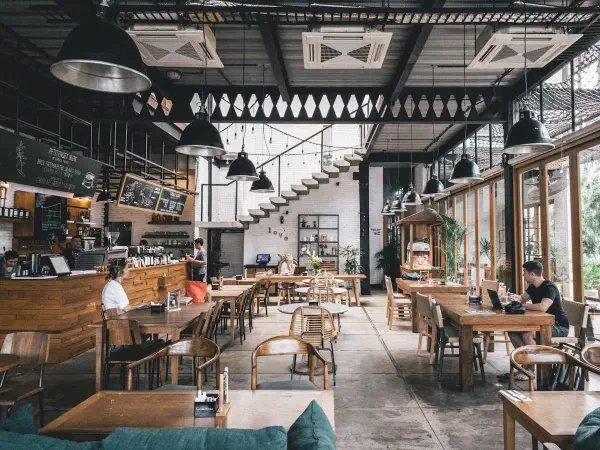
The character of work life in each country paints a distinct picture. In Turkey, the professional environment is often characterized by a strong emphasis on personal relationships and a dynamic, often fast-paced, “hustle” culture. There’s a palpable energy, where connections and a visible display of effort are highly valued. Colleagues frequently develop close bonds, blurring the lines between professional and personal life, fostering a sense of camaraderie and shared endeavor. However, this intensity can also lead to long hours and a less defined boundary between work and personal time. The atmosphere can be vibrant and collaborative, with a strong sense of urgency and a deep-seated belief in the power of human connection to achieve goals.
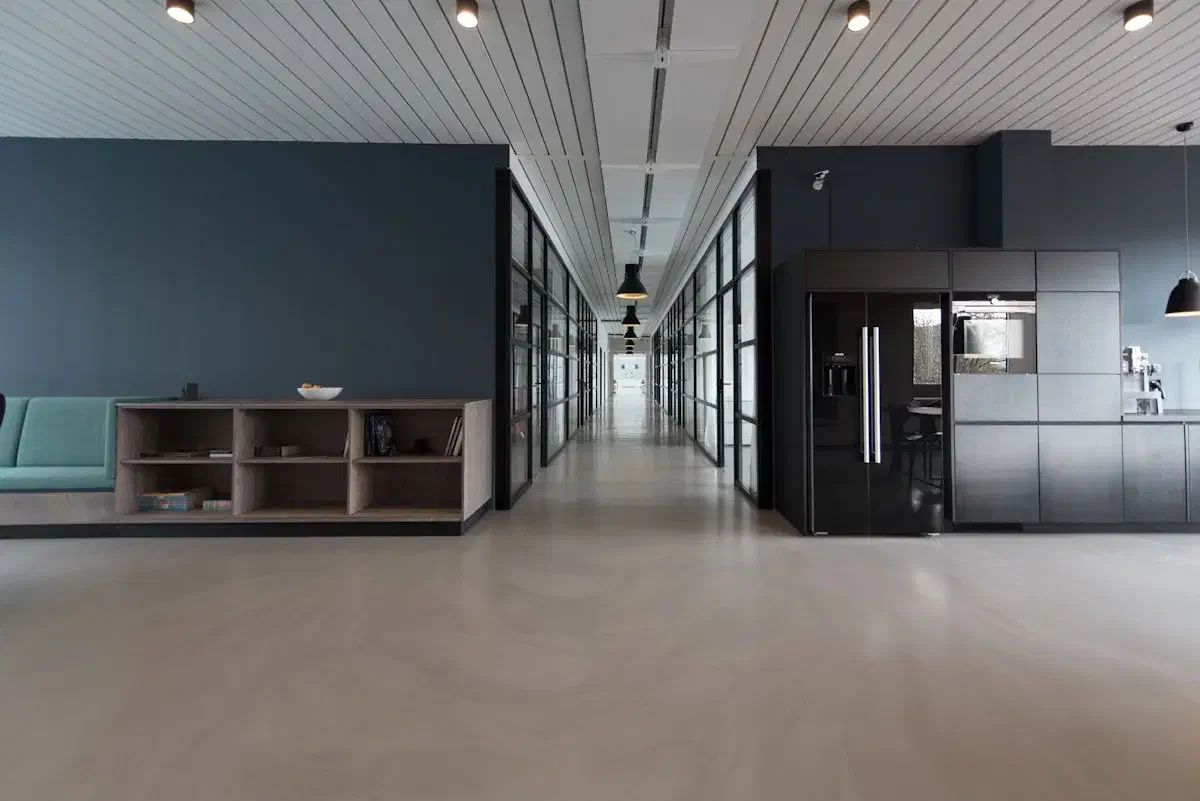
Germany, on the other hand, presents a professional landscape built on structure, precision, and a clear delineation between work and private life. The emphasis is on efficiency, adherence to protocols, and the diligent execution of tasks within defined parameters. While workplaces are professional and respectful, they tend to be less overtly social than in Turkey. The culture values punctuality, reliability, and a predictable working rhythm. The atmosphere is generally more formal, with a strong legal framework protecting employee rights and promoting a healthy work-life balance. This focus on structure and individual well-being creates an environment where employees are empowered to disconnect from work and dedicate time to their personal lives.
Why should you explore this comparison? For anyone contemplating a career move to either country, or simply seeking to understand global work trends, this comparison is illuminating. It answers the fundamental question: what does a fulfilling and sustainable professional life look like? For expats, understanding these cultural nuances is crucial for successful integration and professional well-being. It’s about more than just salary; it’s about the rhythm of your days, the respect for your time, and the overall quality of your life. This deep dive will inspire those seeking a change, offering insights into how different societies prioritize productivity, personal time, and employee welfare.
Places to Visit#
This section delves into the rich tapestry of places to visit within both Turkey and Germany, focusing on a diverse range of attractions from historical landmarks to natural wonders.
🇹🇷 Turkey#
Turkey offers an overwhelming array of historical, cultural, and natural attractions. Here’s a selection:
Hagia Sophia Grand Mosque (Fatih, Istanbul) (Google Maps)#
The Hagia Sophia is an architectural marvel that has served as a cathedral, a mosque, and a museum throughout its long history. Originally built in the 6th century by the Byzantine Emperor Justinian I, it was the largest Christian church in the world for nearly a thousand years. After the Ottoman conquest of Constantinople in 1453, it was converted into a mosque and later, in 1935, into a museum by the Turkish Republic. In 2020, it was reconverted into a mosque. Its massive dome, intricate mosaics, and sheer scale are awe-inspiring. Standing within its vast interior, you can feel the weight of centuries of history and the convergence of different faiths and empires. The sheer scale of the dome and the delicate Byzantine mosaics juxtaposed with Islamic calligraphy create a unique visual experience.
Cappadocia (Göreme, Nevşehir Province) (Google Maps)#
Cappadocia is a semi-arid region in central Turkey famous for its “fairy chimneys” – peculiar rock formations sculpted by erosion. This surreal landscape was formed millions of years ago by volcanic eruptions, and later by wind and water. Humans have inhabited these valleys for centuries, carving out homes, churches, and even entire underground cities within the soft volcanic rock. A hot air balloon ride at sunrise over Cappadocia is an unforgettable experience, offering panoramic views of the otherworldly landscape. We visited during a crisp autumn morning, and the sight of hundreds of balloons dotting the sky as the sun cast a warm glow on the fairy chimneys was truly magical. It’s a view that stays with you long after you’ve landed. The Göreme Open-Air Museum, a UNESCO World Heritage site, showcases rock-cut churches with remarkably preserved frescoes dating back to the 10th century.
Ephesus (Selçuk, İzmir Province) (Google Maps)#
Ephesus was an ancient Greek city, and later a major Roman city, renowned for its well-preserved ruins. Once a bustling port city, it now stands as one of the most complete classical metropolises in the Mediterranean. Key highlights include the Library of Celsus, with its stunning two-story facade, the Great Theatre which could seat 25,000 spectators, and the Temple of Artemis, one of the Seven Wonders of the Ancient World (though only a single column remains today). Walking through the marble streets, you can almost hear the echoes of Roman life. The sheer scale of the city and the level of preservation offer a remarkable glimpse into ancient urban living.
Pamukkale (Denizli Province) (Google Maps)#
Pamukkale, meaning “cotton castle” in Turkish, is a natural wonder renowned for its surreal white travertine terraces formed by mineral-rich thermal waters cascading down a hillside. These terraces create pools of milky blue water that are a breathtaking sight. Adjacent to these terraces lie the ruins of Hierapolis, an ancient Greco-Roman city. Visitors can bathe in the thermal waters and explore the ancient amphitheater and necropolis. The contrast between the stark white of the travertines and the vibrant blue of the water is incredible. It feels like stepping onto another planet.
Blue Mosque (Sultan Ahmed Mosque) (Fatih, Istanbul) (Google Maps)#
Located opposite Hagia Sophia, the Sultan Ahmed Mosque, famously known as the Blue Mosque, is an iconic landmark of Istanbul. Built between 1609 and 1616, it gets its popular name from the tens of thousands of blue İznik tiles that adorn its interior. With its six minarets and cascading domes, it presents a majestic silhouette against the Istanbul skyline. Visitors are welcome outside of prayer times, and the intricate tilework and grand architecture are truly captivating.
Grand Bazaar (Fatih, Istanbul) (Google Maps)#
One of the largest and oldest covered markets in the world, the Grand Bazaar is a labyrinthine maze of over 4,000 shops selling everything from carpets and ceramics to jewelry and spices. Getting lost in its bustling alleys is part of the experience. It’s a sensory overload of colors, scents, and sounds, offering a glimpse into centuries of trade and commerce. Bargaining is expected and part of the fun.
Topkapi Palace Museum (Fatih, Istanbul) (Google Maps)#
For nearly 400 years, Topkapi Palace was the primary residence and administrative headquarters of the Ottoman sultans. Today, it’s a magnificent museum showcasing imperial treasures, courtyards, and sacred relics. Exploring its opulent rooms, courtyards, and the Harem offers a fascinating insight into the lives of the Ottoman elite. The views of the Bosphorus from the palace grounds are also spectacular.
Troy (Çanakkale Province) (Google Maps)#
The legendary city of Troy, immortalized in Homer’s Iliad, is an archaeological site located in northwestern Turkey. Excavations have revealed nine distinct layers of settlement spanning over 3,000 years. While much of the original city is now ruins, the site offers a tangible connection to ancient myths and history. A replica of the Trojan Horse stands near the entrance, a nod to its enduring fame.
Mount Nemrut (Adıyaman Province) (Google Maps)#
Mount Nemrut is famous for the colossal statues of ancient gods and kings that adorn its summit, built by King Antiochus I Theos of Commagene in the 1st century BC. These statues, now largely toppled and scattered, once formed a magnificent altar. Watching the sunrise or sunset from the summit, with the giant heads silhouetted against the sky, is a profoundly unique experience.
Antalya (Antalya Province) (Google Maps)#
Antalya is a popular tourist destination on the Mediterranean coast, known for its stunning beaches, historical sites like Hadrian’s Gate, and the charming Kaleiçi (Old Town) with its narrow cobblestone streets and Ottoman-era houses. It’s a gateway to the Turkish Riviera, offering a blend of relaxation and exploration.
Kaş (Antalya Province) (Google Maps)#
This charming coastal town offers a more laid-back vibe than Antalya. It’s a hub for diving and boat trips to nearby islands and sunken cities. Its picturesque harbor, boutique shops, and excellent restaurants make it a perfect spot for a relaxed Mediterranean getaway.
Sumela Monastery (Trabzon Province) (Google Maps)#
Perched dramatically on a steep cliff face in the Altındere Valley, the Sumela Monastery is a breathtaking sight. Founded in the 4th century AD, this Greek Orthodox monastery complex is a testament to incredible engineering and devotion. Its location amidst lush greenery adds to its mystical allure.
Dolmabahçe Palace (Beşiktaş, Istanbul) (Google Maps)#
A stunning 19th-century palace on the Bosphorus strait, Dolmabahçe Palace served as the main administrative center of the Ottoman Empire from 1856 to 1922. It’s a lavish testament to Ottoman extravagance, featuring opulent rooms, grand staircases, and a European architectural style.
🇩🇪 Germany#
Germany boasts a rich history, diverse landscapes, and vibrant cities, offering something for every traveler.
Brandenburg Gate (Mitte, Berlin) (Google Maps)#
This neoclassical monument is one of Germany’s most famous landmarks, symbolizing peace and unity. Originally commissioned by King Frederick William II of Prussia, it has witnessed pivotal moments in German history. Standing before it, you can feel the echoes of parades, protests, and celebrations that have shaped the nation. It’s an essential starting point for exploring Berlin.
Neuschwanstein Castle (Schwangau, Bavaria) (Google Maps)#
The fairytale castle that inspired Disney’s Sleeping Beauty, Neuschwanstein is a romantic 19th-century palace built by King Ludwig II. Perched atop a rugged hill with stunning alpine views, its whimsical architecture and opulent interiors are a sight to behold. We booked our tickets well in advance and were mesmerized by the castle’s grandeur, especially from the Marienbrücke viewpoint. It truly felt like stepping into a storybook. Visiting this castle is a must for anyone visiting Bavaria.
Cologne Cathedral (Altstadt-Nord, Cologne) (Google Maps)#
A masterpiece of Gothic architecture, Cologne Cathedral is a UNESCO World Heritage site and one of Germany’s most visited landmarks. Construction began in 1248 and took over 600 years to complete. Its soaring spires, intricate stained-glass windows, and immense scale are breathtaking. Climbing the south tower offers panoramic views of Cologne and the Rhine River.
Marienplatz (Altstadt, Munich) (Google Maps)#
Munich’s central square, Marienplatz, is the heart of the city. It’s home to the New Town Hall (Neues Rathaus) with its famous Glockenspiel, which performs daily shows reenacting historical events. The square is always bustling with activity, surrounded by historic buildings, shops, and cafes. We found ourselves drawn back to Marienplatz multiple times, simply to soak in the atmosphere and watch the Glockenspiel chime.
Romantic Road (Bavaria) (Google Maps)#
This scenic route winds through picturesque medieval towns, charming villages, and stunning Bavarian landscapes, connecting Würzburg to Füssen. Highlights include Rothenburg ob der Tauber, a perfectly preserved medieval walled town, and Dinkelsbühl. Driving the Romantic Road is like traveling back in time, offering a quintessential German experience.
Black Forest (Baden-Württemberg) (Google Maps)#
Known for its dense evergreen forests, picturesque villages, cuckoo clocks, and delicious Black Forest gateau, this mountainous region is perfect for hiking, biking, and exploring. Towns like Freiburg and Baden-Baden offer cultural attractions alongside natural beauty. The winding roads and charming hamlets make for an idyllic escape.
Berlin Wall Memorial & East Side Gallery (Mitte & Friedrichshain, Berlin) (Google Maps)#
The Berlin Wall Memorial offers a poignant look at the division of the city, with preserved sections of the wall and an excellent documentation center. The East Side Gallery is an open-air gallery featuring murals painted on a long stretch of the preserved wall, transformed into a vibrant canvas of art and messages of freedom. These sites are essential for understanding Berlin’s recent history.
Zwinger Palace (Altstadt, Dresden) (Google Maps)#
This stunning Baroque palace complex in Dresden is a masterpiece of art and architecture. It houses several museums, including the Old Masters Picture Gallery and the Porcelain Collection. The courtyard with its fountains and sculptures is a beautiful space to wander.
Heidelberg Castle & Old Town (Heidelberg) (Google Maps)#
The romantic ruins of Heidelberg Castle sit majestically above the Neckar River, overlooking a charming Old Town with baroque facades and lively student pubs. Walking across the Old Bridge and exploring the castle grounds offers breathtaking views and a glimpse into Germany’s rich past.
Miniatur Wunderland (Speicherstadt, Hamburg) (Google Maps)#
The world’s largest model railway, Miniatur Wunderland is an astonishingly detailed miniature representation of various countries and landscapes. It’s a place that captivates visitors of all ages with its intricate craftsmanship and playful ingenuity.
Speicherstadt (Hamburg) (Google Maps)#
This UNESCO World Heritage site is the largest warehouse district in the world built on oak piles. Its distinctive neo-Gothic architecture, canals, and bridges create a unique and atmospheric urban landscape. It’s a fascinating area to explore, especially during a harbor cruise.
Elbphilharmonie (Hafencity, Hamburg) (Google Maps)#
A breathtaking modern concert hall with a distinctive glass wave-like structure, the Elbphilharmonie is an architectural icon of Hamburg. Its viewing platform offers stunning panoramic views of the city and the harbor.
Reichstag Building (Tiergarten, Berlin) (Google Maps)#
The seat of the German Parliament, the Reichstag Building, has a historic past and a stunning modern glass dome designed by Norman Foster. Visitors can ascend to the dome for panoramic views of Berlin and gain insight into the workings of German democracy. Pre-booking is essential.
Where to Eat#
Exploring the culinary landscapes of Turkey and Germany reveals a delightful array of flavors and dining experiences.
Turkish Cuisine Delights#
Turkish food is a vibrant fusion of Central Asian, Middle Eastern, and Mediterranean influences, known for its fresh ingredients and rich flavors.
| Turkish Dish | Description | Approximate Price (EUR) |
|---|---|---|
| Adana Kebap | Spicy minced lamb grilled on a wide skewer, served with grilled vegetables. | 8-12 |
| İskender Kebap | Sliced lamb döner layered over pita bread, topped with tomato sauce and butter. | 9-14 |
| Meze Platter | Assortment of small appetizers, including hummus, ezme, yogurtlu patlıcan, etc. | 15-25 (for sharing) |
| Pide (Turkish Pizza) | Boat-shaped flatbread topped with various ingredients like cheese, meat, or vegetables. | 7-11 |
| Künefe | Sweet dessert made with shredded phyllo dough, cheese, and syrup, often served warm. | 4-7 |
| Turkish Breakfast | A lavish spread of cheeses, olives, eggs, honey, jams, and fresh bread. | 6-10 |
Recommended Restaurants in Istanbul:
- Nusr-Et Steakhouse (Google Maps) - Famous for its high-quality steaks and theatrical presentation. Price Range: $$$$
- Çiya Sofrası (Google Maps) - Renowned for authentic Anatolian home cooking, offering a rotating menu of regional dishes. Price Range: $$
- Hamdi Restaurant (Google Maps) - Offers delicious kebabs and Turkish cuisine with fantastic views of the Golden Horn and Bosphorus. Price Range: $$$
German Cuisine Experiences#
German cuisine is hearty and diverse, with regional specialties that reflect the country’s agricultural heritage and historical influences.
| German Dish | Description | Approximate Price (EUR) |
|---|---|---|
| Schnitzel | Thinly pounded meat (veal, pork, or chicken) coated in breadcrumbs and pan-fried, often served with fries or potato salad. | 12-18 |
| Bratwurst | Grilled pork sausage, a staple in Germany, with many regional variations. | 5-9 |
| Sauerbraten | Marinated pot roast, typically beef, slow-cooked in a rich gravy. | 14-20 |
| Spätzle | Soft egg noodles, a Swabian specialty, often served as a side dish or with cheese (Käsespätzle). | 8-13 |
| Schwarzwälder Kirschtorte | Famous Black Forest gateau, a chocolate sponge cake with cherries, cream, and Kirschwasser. | 4-6 |
| Pretzel (Brezel) | A classic German baked treat, often salted, popular in Bavaria and at beer gardens. | 1-3 |
Recommended Restaurants in Munich:
- Hofbräuhaus München (Google Maps) - An iconic beer hall offering traditional Bavarian food, beer, and lively atmosphere. Price Range: $$
- Augustiner-Keller (Google Maps) - Another historic beer garden and restaurant serving classic Bavarian dishes and excellent beer. Price Range: $$
- Schwarzreiter Tagesbar (Google Maps) - Offers a more modern take on Bavarian cuisine in a stylish setting. Price Range: $$$
Accommodation#
Finding the right place to stay is key to any travel experience. Both Turkey and Germany offer a wide range of accommodation options to suit every budget and preference.
Turkey#
From historic boutique hotels to modern city apartments, Turkey provides diverse lodging.
- Budget: Hostel Leo (Istanbul) (Google Maps | Booking.com) - Located in a central area, offering dormitory beds and private rooms. Friendly atmosphere for solo travelers. EUR/night: 15-30
- Mid-Range: Hotel Sultania Boutique Class (Istanbul) (Google Maps | Booking.com) - A charming boutique hotel in Sultanahmet, close to major historical sites, offering comfortable rooms and excellent service. EUR/night: 80-150
- Luxury: Çırağan Palace Kempinski Istanbul (Istanbul) (Google Maps | Booking.com) - A former Ottoman palace on the Bosphorus, offering unparalleled luxury, stunning views, and impeccable service. EUR/night: 400+
- Unique Stay: Sultan Cave Suites (Cappadocia) (Google Maps | Booking.com) - Stay in a traditional cave dwelling, offering a unique and memorable experience in the heart of Cappadocia. EUR/night: 70-120
Best Area to Stay: In Istanbul, Sultanahmet is ideal for history buffs, offering proximity to Hagia Sophia and the Blue Mosque. Beyoğlu/Taksim is perfect for those seeking vibrant nightlife, shopping, and modern culture. For a more local feel, consider Karaköy or Kuzguncuk.
Germany#
Germany offers everything from budget-friendly hostels to luxurious hotels and charming guesthouses.
- Budget: The Base Hamburg (Hamburg) (Google Maps | Booking.com) - A modern and clean hostel with good amenities, located in the vibrant St. Pauli district. EUR/night: 20-45
- Mid-Range: Hotel Louis (Munich) (Google Maps | Booking.com) - A stylish boutique hotel located right on Viktualienmarkt, offering a central location and comfortable rooms. EUR/night: 130-200
- Luxury: Adlon Kempinski Berlin (Berlin) (Google Maps | Booking.com) - An iconic luxury hotel facing the Brandenburg Gate, offering opulent rooms, world-class dining, and legendary service. EUR/night: 350+
- Unique Stay: Romantic Hotel Castle Schwangau (Schwangau, near Neuschwanstein) (Google Maps | Booking.com) - Stay in a charming hotel with castle views, offering a romantic escape in the Bavarian Alps. EUR/night: 100-180
Best Area to Stay: In Berlin, Mitte is central for sightseeing. Prenzlauer Berg offers a bohemian vibe, while Kreuzberg is known for its alternative culture. In Munich, staying near Marienplatz or the Gärtnerplatzviertel provides excellent access to attractions and nightlife.
Getting There & Getting Around#
Navigating between and within Turkey and Germany involves various transportation options, each with its own advantages.
Traveling Between Turkey and Germany#
| Mode of Transport | From | To | Approximate Duration | Approximate Cost (EUR) | Notes |
|---|---|---|---|---|---|
| Flight | Istanbul | Munich | 2.5 - 3 hours | 70 - 200+ | Frequent flights, best for speed. Book in advance for better prices. |
| Flight | Istanbul | Berlin | 2.5 - 3 hours | 70 - 200+ | Similar to Munich flights, various airlines operate this route. |
| Bus | Istanbul | Munich | 18 - 20 hours | 40 - 70 | Long journey, economical option, multiple companies operate. |
| Car | Istanbul | Munich | 18 - 20 hours (driving time) | Varies (fuel, tolls) | Offers flexibility, but can be tiring. Requires international driving permits. |
Deutschlandticket: The Deutschlandticket (Germany Ticket) is a popular flat-rate ticket for public transport across Germany. It is valid on regional trains (RE, RB), S-Bahn, U-Bahn, trams, and buses nationwide. It is NOT valid on long-distance trains (ICE, IC, EC). If you plan to travel extensively within Germany using regional transport, it is an excellent and cost-effective option.
Getting Around Within Cities#
Turkey#
- Istanbul: A sprawling metropolis with a good public transport network.
- Metro & Tram: Efficient for connecting major districts.
- Ferry: Essential for crossing the Bosphorus and exploring Asian and European sides. Offers scenic views.
- Bus: Extensive network but can be crowded and slow due to traffic.
- Taxi: Readily available, but ensure the meter is used or agree on a price beforehand to avoid scams.
- Walking: Ideal for exploring specific historic neighborhoods like Sultanahmet or Galata.
- Other Cities: Most major cities have a combination of local buses, dolmuş (minibuses), and taxis. Smaller towns are often best explored on foot.
Germany#
- Berlin: Excellent public transport system.
- U-Bahn (Metro) & S-Bahn (Suburban Rail): Extensive and efficient, covering most of the city.
- Trams & Buses: Complement the rail network, reaching areas not served by trains.
- Walking & Cycling: Berlin is very walkable, and cycling is popular with dedicated lanes in many areas.
- Munich: Similar to Berlin, with a highly integrated public transport system.
- U-Bahn & S-Bahn: The backbone of the city’s transit.
- Trams & Buses: Connect all parts of the city.
- Cycling: Munich is very bike-friendly.
- Other Cities: Most German cities have efficient public transport systems (local buses, trams, U-Bahn/S-Bahn where applicable). Many are also very walkable and bikeable.
- Deutschlandticket: As mentioned, this is incredibly useful for inter-city travel within Germany using regional trains and all local public transport.
Our Experience#
The contrast in work culture between Turkey and Germany is one of the most striking differences I’ve experienced as an expat. It profoundly shapes daily life and overall well-being.
In Turkey, I was always impressed by the genuine warmth and familial atmosphere in professional settings. Colleagues often became close friends, and there was a shared sense of purpose and collaboration that felt very human. Long hours were common, but they felt less like a burden and more like a collective effort. However, this also meant that the line between work and personal life was incredibly blurred. Evenings and weekends could easily be interrupted by work demands, and the pressure to be constantly available was palpable. It fostered a strong sense of loyalty and camaraderie, but at the cost of personal downtime and rest.
When I first moved to Germany, the structured approach to work was a revelation. The concept of leaving work precisely at 5 pm, not because you were lazy, but because that was your designated working time, was revolutionary. Initially, I felt a strange sense of guilt, almost as if I were slacking off. But gradually, I learned to appreciate the clarity and respect for personal time. The mandatory holidays felt like a true break, not just a few days off that were constantly overshadowed by work thoughts. While the professional relationships might not have the same intense personal warmth as in Turkey, they are built on a foundation of mutual respect, efficiency, and clear boundaries. This has, for me, led to a much healthier and sustainable work-life balance.
As a parent, the German system, with its generous parental leave (Elternzeit) and a strong emphasis on childcare (Kita system, as discussed in our other articles), has been a game-changer. It allows for a more integrated approach to family life without the career penalty that can sometimes be felt elsewhere.
The emphasis on trust in Germany, as I’ve written about before, extends to the workplace. Once you’ve proven your competence, there’s a certain degree of autonomy and trust that allows you to manage your work effectively within the established structure.
This shift has truly changed my perspective on what a productive and fulfilling professional life can entail. It’s not just about the hustle; it’s about creating a sustainable rhythm that allows for both professional achievement and personal well-being.
For those interested in similar comparisons within Europe, check out our articles on Working and Living in the Netherlands and Working and Living in Luxembourg, where we compare these countries to Germany in terms of various aspects of expat life. Our broader comparison of Turkey vs Germany: An Honest Comparison After Making the Move also provides a holistic overview.
Frequently Asked Questions#
How do Turkish and German work hours typically compare?#
Turkish work culture often involves longer hours and a less defined boundary between work and personal life, with a “hustle” mentality. German work culture is highly structured, with standard working hours, regulated overtime compensation or avoidance, and a strong emphasis on leaving work on time.
Are there significant differences in worker protections?#
Yes, Germany has robust worker protections, including strong labor laws, mandatory holiday entitlements (typically 24-30 days), and generous parental leave (Elternzeit). While Turkey has labor laws, enforcement can be less consistent, and statutory holiday entitlement is typically lower (14 days legally minimum).
Is it common to work overtime in Turkey compared to Germany?#
Overtime is quite common and often expected in Turkey, sometimes without explicit compensation, driven by the emphasis on visible effort and meeting deadlines. In Germany, overtime is generally compensated or managed to be avoided, and working excessively late is not culturally encouraged or rewarded.
How is the work-life balance different in these two countries?#
Germany places a very high value on work-life balance, with a clear separation between professional and personal life, encouraging employees to disconnect and take their entitled time off. Turkey’s work culture tends to be more integrated, where work can often spill into personal time due to strong interpersonal relationships and a demand for constant availability.
What is the general atmosphere in Turkish vs. German workplaces?#
Turkish workplaces often foster a warm, familial, and highly social atmosphere where colleagues form strong personal bonds. German workplaces are typically more formal, professional, and task-oriented, with clear boundaries between colleagues and a greater emphasis on individual efficiency and punctuality.
What is the role of personal relationships in business in Turkey versus Germany?#
In Turkey, personal relationships and networking are crucial for business success and career progression; trust is often built through personal connection. In Germany, while networking is important, professional competence, adherence to contracts, and reliable performance are the primary drivers of business relationships and career advancement.