## About the Destination

Augsburg is a historically rich city located in the southern German state of **Bavaria**. Situated on the **Lech River**, it lies approximately **70 kilometers northwest of Munich**. With a population of around **300,000 residents**, Augsburg is one of Bavaria's largest and oldest cities.

Its history stretches back over 2,000 years, founded by the Romans in 15 BC as **Augusta Vindelicorum**. This ancient heritage is still palpable today, making it a fascinating destination for history buffs. The city played a pivotal role during the **Holy Roman Empire**, serving as a major center of trade, finance, and culture, particularly during the Renaissance. It was home to influential families like the **Fuggers**, whose immense wealth and philanthropic endeavors left an indelible mark on the city.

Augsburg is conveniently located. It's just a short **35-minute train ride from Munich**, making it an ideal day trip. Nuremberg is about 1.5 hours away by train, and Stuttgart is roughly 2 hours away. This central location within Bavaria allows for easy exploration of the wider region.

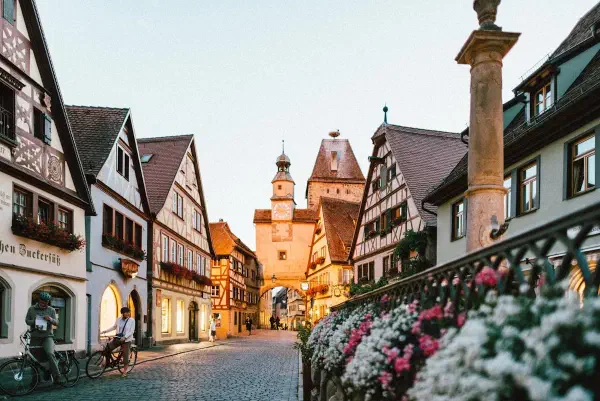
The character of Augsburg is a captivating blend of **ancient history and vibrant modernity**. Walking through its streets feels like stepping back in time, with well-preserved Renaissance architecture standing proudly alongside contemporary life. The atmosphere is generally **calm and welcoming**, a stark contrast to the bustling energy of Munich. You'll find a strong sense of civic pride and a deep connection to the city's illustrious past. The locals are often described as **down-to-earth and friendly**, proud of their city's unique heritage. The air here feels a little less hurried, allowing visitors to truly soak in the historical significance and charm of the place. You can feel the weight of centuries of history in its cobblestone streets and grand squares.

Augsburg is a must-visit for anyone seeking to delve deeper into Bavarian history beyond the typical tourist trail. It offers a **glimpse into Germany's Roman past and its influential Renaissance era**, all within a charming and accessible city. If you're fascinated by **architectural marvels, significant historical events, and unique social initiatives**, Augsburg promises a rewarding experience. It's a city that whispers tales of emperors, merchants, and reformers, inviting you to listen and discover its secrets. For those who appreciate **authenticity and a less crowded exploration** of history, Augsburg is a perfect choice.

## Places to Visit

Augsburg boasts a wealth of historical and cultural attractions, offering something for every visitor. Here are some of the key places to explore:

### Rathaus (City Hall) and Rathausplatz
The **Augsburg City Hall (Rathaus)** ([Google Maps](https://www.google.com/maps/search/Rathaus+Augsburg)) is an undeniable centerpiece of the city. Built between 1615 and 1624 in the **Renaissance style**, it's considered one of the most important secular buildings of its time north of the Alps. Its imposing facade and the magnificent **Golden Hall (Goldener Saal)** inside are breathtaking. The Golden Hall, with its opulent gilded decorations, frescoes, and intricate carvings, is a testament to the wealth and artistic achievements of Augsburg during its golden age. The **Rathausplatz** (City Hall Square) surrounding it is a lively hub, often hosting markets and events, and providing a perfect spot to people-watch. We visited on a sunny afternoon, and the square was bustling with locals enjoying ice cream and families strolling. The sheer scale of the Rathaus is impressive, and stepping into the Golden Hall felt like entering a treasure chest.

### Fuggerei
A truly unique attraction, the **Fuggerei** ([Google Maps](https://www.google.com/maps/search/Fuggerei+Augsburg)) is the **world's oldest social housing complex**, founded in 1521 by Jakob Fugger the Rich. It still operates today, providing affordable housing for needy Catholic citizens of Augsburg. The Fuggerei is a self-contained village within the city, with its own church, gardens, and walls. Visitors can wander through its charming streets, enter a show apartment furnished as it would have been in the 16th century, and visit a museum detailing its history. The annual rent? A symbolic **0.88 Euros per year**, plus three daily prayers for the founders. It’s a remarkable example of early social welfare that continues to thrive.

### Augsburg Cathedral (Augsburger Dom)
The **Augsburg Cathedral (Augsburger Dom)** ([Google Maps](https://www.google.com/maps/search/Augsburg+Cathedral)) is one of Germany's oldest cathedrals, with a history dating back over a thousand years. The current structure incorporates Romanesque and Gothic elements, reflecting its long development. Inside, you'll find stunning **Romanesque frescoes**, including what are believed to be the oldest depicted figures of prophets in stained glass in the world. The cathedral's twin spires are a prominent landmark on the Augsburg skyline. Its peaceful interior offers a respite from the city's bustle and a profound sense of historical continuity.

### St. Anne's Church (St. Anna-Kirche)
**St. Anne's Church (St. Anna-Kirche)** ([Google Maps](https://www.google.com/maps/search/St.+Anna-Kirche+Augsburg)) is another significant religious site, historically linked to the Fugger family. It features a beautiful Renaissance burial chapel belonging to the Fuggers and a Baroque organ. The church complex also houses a **Luther Room**, commemorating Martin Luther's stay in Augsburg during the Imperial Diet of 1530, where he defended his writings. The church’s quiet grandeur and its connections to both the Fuggers and the Reformation make it a historically rich stop.

### Schaezlerpalais
The **Schaezlerpalais** ([Google Maps](https://www.google.com/maps/search/Schaezlerpalais+Augsburg)) is a magnificent Rococo palace that now serves as a museum complex. It houses the **German Baroque Gallery**, featuring exquisite paintings from the 17th and 18th centuries, and the **Permanent Collection of the State Gallery**, with works by Old Masters. The palace itself is a work of art, with its lavish interiors and grand ballroom. Visiting the Schaezlerpalais offers a delightful immersion into the art and architecture of the Rococo period.

### Maximilian Museum
Dedicated to the art and cultural history of Augsburg, the **Maximilian Museum** ([Google Maps](https://www.google.com/maps/search/Maximilian+Museum+Augsburg)) is housed in a former city armory and Renaissance building. Its collections span from medieval times to the present day, with a strong emphasis on Augsburg's metalwork, goldsmithing, and decorative arts. You can admire intricate silverware, elaborate jewelry, and historical tools, showcasing the city's craftsmanship throughout the centuries.

### Roman Museum and South Gate (Römermuseum und Südtor)
To truly connect with Augsburg's Roman origins, visit the **Roman Museum (Römermuseum)** ([Google Maps](https://www.google.com/maps/search/Roman+Museum+Augsburg)) and the adjacent **South Gate (Südtor)**. The museum displays artifacts unearthed from the Roman settlement of Augusta Vindelicorum, providing insights into daily life, military structures, and Roman art. The Südtor itself is a significant archaeological find, offering a tangible link to the city's ancient past. It's a reminder that this modern city was once a crucial Roman outpost.

### Textile and Industry Museum (tim)
Augsburg has a long and proud history of textile manufacturing. The **Textile and Industry Museum (tim)** ([Google Maps](https://www.google.com/maps/search/Textile+and+Industry+Museum+Augsburg)) celebrates this heritage with interactive exhibits showcasing the evolution of textile production, from traditional weaving to modern machinery. It’s an engaging museum that highlights an important aspect of Augsburg's industrial development.

### Puppenkiste (Puppet Box) Museum
A beloved institution in Augsburg, the **Puppenkiste (Puppet Box)** ([Google Maps](https://www.google.com/maps/search/Puppenkiste+Museum+Augsburg)) is famous for its children's television shows featuring marionettes. The museum displays some of the original puppets and stage sets, offering a nostalgic and charming experience for both children and adults who grew up with its iconic characters. It’s a delightful and whimsical stop.

### Water Management System of Augsburg
Recognized as a **UNESCO World Heritage site**, Augsburg's historic **Water Management System** is a remarkable feat of engineering dating back to the Middle Ages. It comprises canals, water towers, and pumping stations that have provided the city with water for centuries. Exploring parts of this system, like the **Water Tower (Wasserturm)**, offers a unique perspective on the city's innovative spirit and its long-standing relationship with water.

### Lech River Banks
For a more relaxed experience, take a stroll along the **Lech River banks**. This area offers green spaces, walking paths, and a chance to enjoy the natural beauty surrounding Augsburg. It's a pleasant spot for a leisurely walk, a picnic, or simply to unwind and observe local life.

## Where to Eat

Augsburg offers a diverse culinary scene, from traditional Bavarian fare to international flavors. Here are a few recommendations:

*   **Gasthof Spengler**
    *   **Cuisine:** Traditional Bavarian
    *   **Price Range:** €€
    *   **Why Recommended:** A classic Bavarian inn offering hearty dishes like Schweinebraten (roast pork) and Knödel (dumplings). It's known for its authentic atmosphere and generous portions.

*   **Fuggerei Museumsgastronomie**
    *   **Cuisine:** German/Bavarian with a modern twist
    *   **Price Range:** €€ - €€€
    *   **Why Recommended:** Located within the Fuggerei complex, this restaurant offers a refined dining experience with dishes inspired by historical recipes and local ingredients. The setting is unique and charming.

*   **Rechthaler Hof**
    *   **Cuisine:** Bavarian and Mediterranean
    *   **Price Range:** €€
    *   **Why Recommended:** A popular spot for both locals and tourists, offering a good selection of Bavarian classics alongside some Mediterranean influences. They have a pleasant outdoor seating area in good weather.

*   **Alte Liebe**
    *   **Cuisine:** Italian
    *   **Price Range:** €€
    *   **Why Recommended:** If you're craving excellent Italian food, this restaurant is a solid choice. They serve authentic pasta and pizza dishes in a cozy setting.

*   **Café Theater**
    *   **Cuisine:** Café fare, light meals, cakes
    *   **Price Range:** €
    *   **Why Recommended:** A great spot for coffee, cake, or a light lunch. It's a pleasant place to relax and recharge, often with a pleasant ambiance due to its location near a theatre.

### Must-Try Local Delights

| Dish             | Description                                                                          | Approximate Price (EUR) |
| :--------------- | :----------------------------------------------------------------------------------- | :---------------------- |
| **Schweinshaxe** | Crispy roasted pork knuckle, a quintessential Bavarian dish, often served with Knödel. | 14 - 18                 |
| **Käsespätzle** | Swabian-style egg noodles mixed with cheese and topped with fried onions.             | 10 - 14                 |
| **Leberknödelsuppe** | Hearty soup with a large liver dumpling, a comforting starter.                       | 5 - 7                   |
| **Bayerische Brezn** | Large, soft pretzels, a staple snack often enjoyed with beer or butter.              | 1.5 - 3                 |
| **Apfelstrudel** | Traditional apple strudel, often served warm with vanilla sauce or ice cream.        | 5 - 7                   |

## Accommodation

Augsburg offers a range of accommodation options to suit different budgets and preferences. Staying in the city center or near the main train station provides easy access to attractions and transport links.

*   **Budget:**
    *   **Ibis Augsburg Hauptbahnhof** ([Google Maps](https://www.google.com/maps/search/Ibis+Augsburg+Hauptbahnhof) | [Booking.com](https://www.booking.com/search.html?ss=Ibis+Augsburg+Hauptbahnhof))
        *   **Area:** Near the Main Train Station (Hauptbahnhof)
        *   **Price Range:** €70 - €100 per night
        *   **Description:** A reliable budget-friendly option offering clean, modern rooms. Its proximity to the train station makes it incredibly convenient for arrivals and departures, as well as day trips.

*   **Mid-Range:**
    *   **Hotel Maximilian's** ([Google Maps](https://www.google.com/maps/search/Hotel+Maximilian's+Augsburg) | [Booking.com](https://www.booking.com/search.html?ss=Hotel+Maximilian's+Augsburg))
        *   **Area:** City Center, near Maximilianstrasse
        *   **Price Range:** €120 - €180 per night
        *   **Description:** This hotel offers comfortable and stylish rooms in a prime city center location. It's within walking distance of many major attractions, providing a great base for exploring Augsburg on foot.

    *   **ART HOTEL Oelberg** ([Google Maps](https://www.google.com/maps/search/ART+HOTEL+Oelberg+Augsburg) | [Booking.com](https://www.booking.com/search.html?ss=ART+HOTEL+Oelberg+Augsburg))
        *   **Area:** Quiet residential area, a short walk from the center
        *   **Price Range:** €100 - €150 per night
        *   **Description:** Known for its artistic design and peaceful atmosphere, this hotel offers a unique stay. It's a good option if you prefer a slightly quieter environment while still being accessible to the city's core.

*   **Luxury:**
    *   **Dom Hotel** ([Google Maps](https://www.google.com/maps/search/Dom+Hotel+Augsburg) | [Booking.com](https://www.booking.com/search.html?ss=Dom+Hotel+Augsburg))
        *   **Area:** City Center, overlooking the Cathedral
        *   **Price Range:** €180+ per night
        *   **Description:** Offering elegant rooms and excellent service, this hotel provides a more luxurious experience. Its location right in the heart of the historic district offers stunning views and unparalleled access to the city's main landmarks.

**Which area to stay in?** For most tourists, staying in the **city center (Altstadt)** or **near the Hauptbahnhof (main train station)** is ideal. The city center provides immediate access to historical sites, restaurants, and shops. Staying near the Hauptbahnhof is excellent for ease of travel, especially if you plan on taking day trips to Munich or other nearby cities using public transport.

## Getting There & Getting Around

### Getting There

Augsburg is very well-connected, especially by train.

| Mode of Transport | Origin          | Approximate Duration | Approximate Price (EUR) | Notes                                                 |
| :---------------- | :-------------- | :------------------- | :---------------------- | :---------------------------------------------------- |
| **Train (DB)**    | Munich          | 30-40 minutes        | 12 - 20                 | Frequent connections from Munich Hauptbahnhof.        |
| **Train (DB)**    | Nuremberg       | 1.5 hours            | 25 - 40                 | Usually requires a change, often in Munich or Ingolstadt. |
| **Train (DB)**    | Stuttgart        | 2 hours              | 30 - 50                 | May require changes.                                  |
| **Train (DB)**    | Frankfurt       | 3 - 3.5 hours        | 50 - 80                 | Direct or with one change.                            |
| **Car**           | Munich          | 45-60 minutes        | Varies (fuel, tolls)    | Via A8 Autobahn.                                      |
| **Bus (FlixBus)** | Munich          | 1 - 1.5 hours        | 5 - 10                  | Often cheaper but slower than trains.                 |

**Deutschlandticket:** Yes, the **Deutschlandticket** (€49 per month) is valid for regional trains (RE, RB) and local public transport within Augsburg. This makes it an incredibly economical option for exploring Augsburg and its surroundings if you hold this pass.

### Getting Around Augsburg

Augsburg has an efficient public transportation system and its historic center is very walkable.

*   **Walking:** The core of Augsburg's historic center is compact and best explored on foot. Many major attractions like the Rathaus, Fuggerei, and Cathedral are within easy walking distance of each other.
*   **Trams and Buses:** Operated by Stadtwerke Augsburg (swaa), the tram and bus network is extensive and reliable. You can purchase tickets at ticket machines or via the swaa app. A day ticket is a good option if you plan on using public transport multiple times. The Deutschlandticket is also valid.
*   **Cycling:** Augsburg is a fairly bike-friendly city, with dedicated cycle paths in many areas. You can rent bikes from various providers or through bike-sharing schemes. Cycling is a great way to cover more ground while still enjoying the city's atmosphere.
*   **Taxis:** Taxis are available throughout the city and can be hailed or booked by phone. They are a convenient option for reaching destinations not easily served by public transport or for late-night travel.

## Our Experience

Our visit to Augsburg was a delightful surprise, a perfect counterpoint to our time in the more bustling Munich. We chose Augsburg for a day trip precisely because of its proximity and reputation as a historic gem, and it did not disappoint. The train journey from Munich was incredibly smooth and fast, making the transition feel effortless.

What struck us immediately upon arriving at Augsburg Hauptbahnhof was the calm. It wasn't sleepy, but it was certainly more relaxed than Munich. We decided to walk towards the city center, and within minutes, we were surrounded by beautiful, well-preserved architecture. The **Rathausplatz** was a hive of activity, with people enjoying the sunshine and the impressive backdrop of the City Hall. We spent a good hour just marveling at the **Golden Hall** inside the Rathaus. The sheer opulence and artistry were breathtaking, a true testament to Augsburg's wealthy past.

A highlight for us was undoubtedly the **Fuggerei**. It’s one thing to read about historical social welfare initiatives, but it’s another to walk through a living, breathing community that has been functioning for over 500 years on the same principles. The atmosphere there was incredibly peaceful, almost like stepping into a fairy tale. We even enjoyed a simple but delicious lunch at the museum café within the Fuggerei, soaking in the unique surroundings.

We also made sure to visit the **Augsburg Cathedral**, appreciating its ancient frescoes and the quiet reverence of the space. The juxtaposition of its ancient Romanesque foundations with later Gothic additions tells a story of continuous history and adaptation.

One thing that truly impressed us was the ease of getting around. We walked extensively, but we also hopped on a tram for a short ride, and the service was frequent and efficient. The fact that our Deutschlandticket covered everything made it even more stress-free.

While Augsburg isn't a city with a frantic pace, its charm lies in its depth of history and its tangible connection to significant eras. It felt like a city that has seen empires rise and fall, yet remains grounded and proud of its heritage. It offered a more intimate historical experience than some of the larger German cities.

**Related reading:** For those considering a move or a deeper exploration of Germany, our detailed comparisons of **Turkey vs Germany** ([link: Turkey vs Germany: An Honest Comparison After Making the Move](/en/germany/living/turkey-vs-germany/)) offer insights into the cultural and practical differences. If you're interested in other Bavarian cities accessible from Munich, our guides to **Lindau** ([link: Lindau Travel Guide | Island City on Lake Constance | 2 Hours from Munich (2026)](/en/germany/romantic-route/lindau-lake-constance-travel-guide/)) and **Salzburg** (just across the border in Austria) ([link: Salzburg Travel Guide | Mozart's City 1.5 Hours from Munich (2026)](/en/germany/travel/salzburg-day-trip-munich/)) might also be of interest.

## Frequently Asked Questions

**1. Is Augsburg worth visiting as a day trip from Munich?**
Absolutely. Augsburg is a fantastic day trip destination from Munich. Its rich history, stunning architecture, and unique attractions like the Fuggerei are easily accessible and offer a different perspective on Bavarian heritage compared to Munich. The short train journey makes it very convenient.

**2. What is the best time of year to visit Augsburg?**
Augsburg can be visited year-round. Spring (April-May) and autumn (September-October) offer pleasant weather for exploring on foot and fewer crowds. Summer (June-August) is warmer and ideal for enjoying outdoor cafes and events, but it can be busier. Winter (November-February) brings festive Christmas markets and a cozy atmosphere, though it can be cold.

**3. Is it easy to get around Augsburg without a car?**
Yes, it is very easy to get around Augsburg without a car. The historic city center is compact and walkable, and the city has an excellent public transportation network of trams and buses. If you have a Deutschlandticket, it covers all local transport.

**4. What are the main historical periods Augsburg is known for?**
Augsburg is renowned for its **Roman history** (as Augusta Vindelicorum), its prominence during the **Holy Roman Empire** as a center of trade and finance, and its significant role in the **Renaissance and Reformation** eras, particularly through influential families like the Fuggers.

**5. What currency is used in Augsburg?**
The currency used in Augsburg, as in the rest of Germany, is the **Euro (€)**. Credit and debit cards are widely accepted in hotels, restaurants, and shops, but it's always a good idea to have some cash for smaller purchases or market stalls.

**6. How much time should I allocate for a visit?**
For a comprehensive day trip, you can see the main highlights like the Rathaus, Fuggerei, and Cathedral. To explore more thoroughly, including museums and a more leisurely pace, an overnight stay would be beneficial, allowing for two full days of exploration.