Turkey vs Germany: An Honest Comparison After Making the Move#
Not a travel guide. Not a rant. Just what I’ve actually experienced living in both countries.
I want to be clear upfront: this isn’t about which country is “better.” It’s about what I personally found different, harder, easier, worse, and surprisingly better — from both sides. Because Germany has real frustrations too. Having made the move and now living as an expat in Munich, Germany, after years in Turkey, I’ve gathered a wealth of firsthand experience that goes far beyond tourist brochures or political headlines. This is my unfiltered reality.
About the Destinations: A Tale of Two Europes#
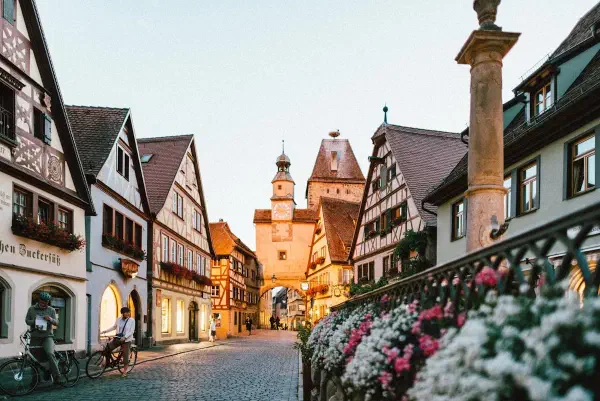
When we talk about Turkey and Germany, we’re discussing two nations that, while geographically connected to Europe, represent vastly different cultural, historical, and socio-economic landscapes. Germany, located at the heart of Western Europe, is a federal parliamentary republic with a population of over 83 million. Its history is marked by significant industrialization, post-war reconstruction, and the building of a robust social market economy. Germany is famously known for its precision engineering, rich philosophical tradition, and its pivotal role in the European Union. Major economic and cultural hubs like Munich, Berlin, and Frankfurt are well-connected and serve as engines for innovation and progress.
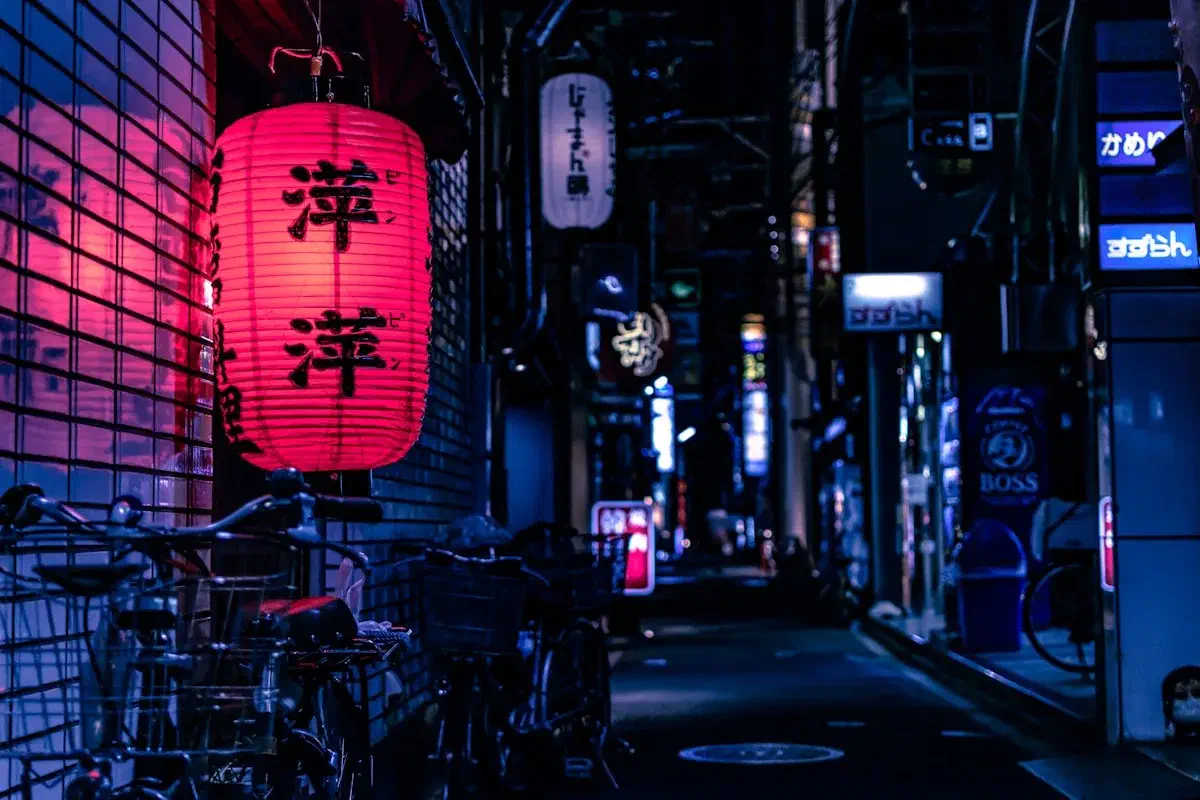
Turkey, on the other hand, is a transcontinental country, primarily located in Anatolia in Western Asia, with a smaller portion on the Balkan Peninsula in Southeast Europe. Its population exceeds 85 million, making it one of the most populous countries in the region. Turkey boasts an incredibly rich and complex history, serving as the cradle of numerous civilizations, including the Byzantine and Ottoman Empires. This deep historical tapestry is visible in every city, from the ancient ruins to the bustling bazaars. While striving for closer ties with Europe, Turkey maintains a distinct cultural identity that blends Eastern and Western influences. Istanbul, Ankara, and Izmir are its major metropolises, vibrant with energy and constant change.
The character of these two nations couldn’t be more distinct. Germany often strikes visitors as orderly, efficient, and reserved, with a strong emphasis on rules, punctuality, and civic duty. The climate varies from temperate in the west to continental in the east, with distinct four seasons. German cities often present a blend of historic architecture and modern infrastructure, clean streets, and well-maintained public spaces. The people, while sometimes perceived as cold initially, are often deeply loyal, straightforward, and appreciate direct communication once you break through the initial formality. There’s a profound sense of structure and long-term planning that underpins almost every aspect of German life.
Turkey, in stark contrast, is often perceived as lively, spontaneous, and intensely social. Its diverse climate ranges from Mediterranean along the coasts to continental in the interior, offering a wide array of experiences. Turkish cities are vibrant, bustling, and sometimes chaotic, filled with the aroma of spices, the calls of street vendors, and the constant hum of human activity. The people are renowned for their warmth, hospitality, and strong family values. There’s a certain improvisational spirit, a readiness to adapt, and a focus on immediate relationships that defines the daily rhythm. However, this spontaneity can sometimes come at the cost of long-term planning or adherence to strict systems.
For an expat, the choice between these two countries isn’t merely about geography; it’s about aligning with a different philosophy of life. Germany offers stability, predictability, and a highly structured environment, ideal for those seeking security and a clear path. Turkey offers dynamism, rich cultural immersion, and a strong sense of community, appealing to those who thrive on human connection and vibrant experiences. Ultimately, the “why” behind moving to either destination is deeply personal, driven by economic opportunity, family ties, or a quest for a particular lifestyle. For me, the decision to leave Turkey was driven by a yearning for different foundations, as I detailed in my post on Why I Left Turkey: The Decision That Changed Everything.
Diving Deeper: Comparing Daily Realities#
Moving beyond the superficial, the true differences between Turkey and Germany emerge in the mundane, day-to-day realities. Here, I expand on the crucial aspects that shape an expat’s experience.
Rule of Law and Justice#
This was, for me, one of the most fundamental reasons for seeking a change. In Turkey, the rule of law exists on paper, but its practical application can often feel inconsistent and, at times, arbitrary. Whether a specific rule or regulation applies to you, or how it is enforced, sometimes seems to depend on factors beyond the written law – like who you know, who you are, or who’s watching. This unpredictability can be deeply unsettling. It erodes trust in institutions and creates a constant underlying anxiety that things might not always be fair or just. You learn to navigate gray areas, which is a skill, but also a burden.
In Germany, while the system is far from perfect, there is a pervasive expectation and reality that the rules tend to apply universally, regardless of social standing, wealth, or connections. Guilty generally means guilty, and evidence is paramount. This consistency creates a profound sense of psychological safety and fairness that I hadn’t fully appreciated until I experienced it. When I faced a challenging situation, like Being Fired in Germany: My Labor Court Experience, the process, though stressful, was clear, structured, and ultimately predictable according to established legal frameworks. This adherence to legal norms is a cornerstone of German society.
Economic Stability and Financial Planning#
The economic landscape presents perhaps the most stark contrast. The Turkish lira has experienced significant volatility and a prolonged period of depreciation against major foreign currencies. This isn’t just an abstract economic statistic; it has direct, tangible impacts on daily life. Your savings can diminish in value overnight, long-term financial planning becomes a high-stakes gamble, and the cost of imported goods, or anything tied to foreign currency, can skyrocket unpredictably. The constant struggle against inflation can make building wealth or even maintaining a comfortable standard of living incredibly challenging.
Germany, on the other hand, boasts one of the world’s strongest and most stable economies, with the Euro as its currency. While inflation exists globally, in Germany, it typically runs in single digits, making financial planning much more predictable. A decent salary, say €3,000–5,000 net a month, generally covers a comfortable life, allowing for savings, investments, and long-term goals without the fear of your efforts being eroded by currency depreciation. For anyone prioritizing financial security and the ability to plan for the future, this difference is truly enormous and often a key driver for expats seeking opportunities in Germany.
Education and Childcare Systems#
The approaches to education and childcare in both countries reflect their broader societal values. Turkey’s education system has faced considerable challenges, including concerns over curriculum changes, quality control, and even diploma fraud scandals. This can force honest graduates into the disheartening position of having to repeatedly prove the legitimacy of their degrees when seeking international employment or further education. The system traditionally places a heavy emphasis on rote learning and highly competitive university entrance exams, often creating immense pressure on students from a young age.
Germany’s approach is distinctly different and more diversified. Not everyone is pushed towards a university degree, and this is by design. Vocational training (Ausbildung) is highly respected and forms a crucial pillar of the economy. These two- or three-year programs skillfully combine classroom theory with extensive practical apprenticeships, often with half a week spent working directly in a relevant trade. This system produces a highly skilled workforce and offers viable career paths that are both respected and well-compensated. Moreover, the German system offers more flexibility for individuals to pursue higher education later in life. In terms of childcare, Germany, particularly with its well-developed Kita (kindergarten) system, focuses on early childhood development and social integration, as highlighted in my comparison of Childcare and the Kita System: Turkey vs Germany. My family’s experience with Primary School: Turkey vs Germany further details these differences.
Healthcare and Social Security#
Access to and quality of healthcare is a major concern for any expat. Turkey has made significant strides in modernizing its healthcare infrastructure, especially in major cities, with many new hospitals and medical centers. However, the system can still suffer from overcrowding in public hospitals, and the quality of care can vary. Private healthcare offers a higher standard but comes with significant out-of-pocket costs unless you have comprehensive private insurance.
Germany boasts a world-renowned healthcare system that is primarily insurance-based (both public and private options exist). It provides universal access to high-quality medical care, excellent infrastructure, and well-trained medical professionals. While navigating the system can initially be complex for newcomers, and appointment wait times can sometimes be long for specialists, the overall standard of care, patient rights, and the comprehensive nature of insurance coverage are remarkably high. This gives residents a strong sense of security regarding their health needs. For a more detailed comparison, check out Health System: Turkey vs Germany.
Personal Safety and Social Accountability#
The feeling of personal safety and the pervasive culture of accountability are other significant differentiators. In Turkey, I often carried a low-level anxiety that “accidents happen and no one is held responsible.” This applied to various areas: road safety standards, construction quality, workplace regulations, and even consumer protection. Enforcement can be inconsistent, and consequences for negligence are often minimal, leading to a general feeling of less vigilance.
Germany, while not immune to accidents, operates with a much stronger accountability culture. If something goes wrong, there’s typically a clear process for investigation, identification of a responsible party, and consequences. This rigorous approach doesn’t prevent all incidents, but it creates powerful incentives for individuals, businesses, and authorities to adhere to safety standards and regulations. This fosters a higher degree of trust in public spaces and systems, creating a society where one generally feels safer and more protected.
Bureaucracy and Public Services#
Here’s where Germany often earns its most fervent criticism – and often deserves it. German bureaucracy is famously, or perhaps infamously, painfully slow and heavily reliant on traditional methods. Need to register something, exchange your driving license (like my journey in Driving License Exchange in Germany or Can You Drive in Germany with a Bulgarian License?)? Prepare to submit documents in person, wait for a letter by postal mail for a reply or an appointment, and often experience frustrating delays. The irony is that you might hand over papers to an official who could immediately verify them, yet they still insist on the snail mail process. Digitalization is slowly improving, but it’s a long road.
In Turkey, while the system might have its own complexities, public services often operate with a much faster, more direct, and human-responsive approach. If there’s an issue, it’s common for someone to pick up the phone, find a workaround, or resolve it on the same day. Customer service, whether governmental or private, is generally fast, responsive, and often available around the clock. I once had a neighbor in Germany whose internet stopped working; it took three days just to get a human on the phone, and then nothing could be done until the next business day. In Turkey, such an issue would typically be resolved within hours. Germany prioritizes systematic efficiency, sometimes at the expense of immediate human responsiveness.
Work-Life Balance and Professional Culture#
The approach to work and professional life is another area of significant divergence. In Turkey, the work culture can often be demanding, with long hours, high expectations for availability outside of official working hours, and a more hierarchical structure. Loyalty and personal relationships often play a significant role in career progression. While dynamism is high, the concept of a strict “work-life balance” is still evolving, often taking a backseat to professional ambition or necessity.
Germany, in contrast, is renowned for its strong emphasis on work-life balance and a structured, efficient work environment. Punctuality, clear communication, and adherence to processes are highly valued. While demanding, the expectation is generally that you complete your tasks within your contracted hours, and working overtime is often seen as a sign of inefficiency rather than dedication. Paid vacation days are generous, and taking them is strongly encouraged. The distinction between professional and personal life is much clearer, contributing to a generally less stressful working environment, as explored in Work Life and Work-Life Balance: Turkey vs Germany. My experience obtaining a Germany Job Seeker Visa also highlighted these systematic differences.
Social Life and Community Integration#
Social dynamics and the ease of making friends also differ greatly. Turkish society is highly communal, family-oriented, and generally very welcoming. Social interactions are frequent, often spontaneous, and hospitality is a deeply ingrained cultural value. It’s relatively easy to strike up conversations, build connections, and be invited into social circles, although these might often revolve around family.
German society, particularly in big cities, can initially feel more reserved and individualistic. Social circles tend to be tighter, and forming deep friendships can take more time and effort. Germans often value privacy and personal space highly. However, once a connection is made, German friendships are often incredibly loyal and enduring. Integrating often requires proactive effort, perhaps through language classes, sports clubs, or shared hobbies. The experience of Social Life and Making Friends: Turkey vs Germany elaborates on these cultural nuances. Furthermore, for someone with a different cultural background, understanding Being Turkish and Muslim in Germany also plays a significant role in social integration.
Housing and the Rental Market#
Finding suitable accommodation is a universal challenge for expats, but the realities in Turkey and Germany present different obstacles. In Turkey, particularly in major cities, the housing market has been highly dynamic, with fluctuating prices and a mix of new builds and older apartments. Rental contracts can be less formal, and tenant rights might be less rigorously enforced compared to Western standards. Availability is usually high, but quality can vary significantly.
Germany’s housing market, especially in popular cities like Munich, is notoriously competitive and expensive. Demand far outstrips supply, leading to high rents and rigorous application processes. Landlords often require extensive documentation, including proof of income, credit checks (Schufa), and even letters of recommendation. Tenant rights are strong once a contract is signed, offering security, but the process of securing an apartment can be a true test of patience and persistence. My own journey of Renting an Apartment in Germany | The Reality of Finding Housing in Munich (2026) details this struggle. For a broader comparison, see Housing and Renting: Turkey vs Germany.
Language Barrier and Cultural Nuances#
Language is, of course, a critical aspect of integration. In Turkey, particularly in tourist areas or major cities, a fair amount of English is spoken, especially among younger generations. However, to truly integrate and navigate daily life beyond the basics, learning Turkish is essential. Turkish culture is rich with idioms, non-verbal cues, and a directness mixed with courtesy that can be a fascinating challenge to master.
Germany is often perceived as a country where English is widely spoken, especially in international business contexts. While this is true in certain sectors and major cities, German remains the dominant language for daily life, bureaucracy, and deeper social interactions. Learning German is absolutely vital for long-term integration and career progression. The German language, with its precise grammar and structured nature, reflects a certain logical approach to life. My post on The Language Barrier: Turkey vs Germany covers this in depth. Furthermore, understanding general cultural differences, such as those related to Growing Up Between Two Cultures: Turkey vs Germany, is key.
Climate, Seasons, and Lifestyle#
The geographical spread of both countries means diverse climates, but the general perception often differs. Turkey, especially its Mediterranean and Aegean coasts, is famous for its long, hot summers and mild winters, making it a popular tourist destination. The interior, however, experiences more extreme continental weather. The sunny climate often encourages an outdoor, relaxed lifestyle, particularly during warmer months.
Germany, while experiencing four distinct seasons, is generally perceived as having cooler, often cloudier weather, especially in the north. Summers can be pleasant, but winters are cold and can be long, often with snow. This climate can necessitate a more indoor-focused lifestyle during colder months, with a greater emphasis on cozy home environments and activities. However, Germans are adept at enjoying the outdoors when the weather permits, from beer gardens to hiking. My article on Climate and Seasons: Turkey vs Germany details these variations.
Where to Eat: A Culinary Comparison#
Food is central to culture, and the dining experiences in Turkey and Germany offer delightful, yet distinct, flavors.
In Turkey, eating is a highly social affair, often involving large family gatherings or long conversations with friends over multiple courses. Street food is ubiquitous and delicious, from döner kebap to simit. Restaurants range from casual esnaf lokantası (tradesmen’s restaurants) offering home-style cooking to upscale fine dining. The cuisine is rich, diverse, and heavily features fresh vegetables, olive oil, grilled meats, and an array of sweets. Service is generally very attentive and personal.
In Germany, the food culture is more about hearty, comforting meals and efficient dining experiences. While still social, meals might be more structured. Traditional German cuisine focuses on meat (pork, beef), potatoes, bread, and often rich sauces. However, German cities, especially places like Munich or Berlin, are incredibly international, offering a vast array of global cuisines. Service tends to be professional and efficient, less about personal interaction and more about delivering the meal. For a deeper dive into culinary differences, read Food and Eating Out: Turkey vs Germany.
Here are some typical dining experiences and local flavors to consider:
| Dish (Turkish) | Description | Approximate Price (TRY) |
|---|---|---|
| Döner Kebap | Sliced grilled meat (lamb/chicken) in flatbread with salad | 150-250 |
| Lahmacun | Thin, crispy flatbread topped with minced meat and vegetables | 100-180 |
| Meze Platter | Selection of small appetizers (hummus, ezme, haydari, etc.) | 300-600 |
| Mantı | Small Turkish dumplings with yogurt garlic sauce | 250-450 |
| Adana/Urfa Kebap | Skewered minced meat kebabs, often served with rice/bulgur | 300-500 |
| Dish (German) | Description | Approximate Price (EUR) |
|---|---|---|
| Schnitzel | Thin, breaded, pan-fried cutlet (pork or veal) | 15-25 |
| Currywurst | Grilled sausage with curry ketchup, often served with fries | 4-8 |
| Schweinshaxe | Crispy roasted pork knuckle, a Bavarian specialty | 20-30 |
| Spätzle | Soft egg noodles, often served with cheese (Käsespätzle) | 12-18 |
| Pretzel (Brezel) | Large, soft, chewy bread knot, a staple snack | 1.50-3 |
Example Eateries (Illustrative):
Turkey (Istanbul):
- Çiya Sofrası (Google Maps) - Traditional Turkish dishes, highly acclaimed for authentic regional cuisine. Mid-range.
- Dürümzade (Google Maps) - Excellent dürüm (wraps) in a casual setting. Budget-friendly.
- Münferit (Google Maps) - Modern Turkish cuisine with a great atmosphere. Upper-mid range.
Germany (Munich):
- Hofbräuhaus München (Google Maps) - Quintessential Bavarian experience with traditional food and beer. Mid-range.
- Augustiner Keller (Google Maps) - Historic beer garden and restaurant, serving hearty German fare. Mid-range.
- Hans im Glück (Google Maps) - Popular modern burger chain with a forest theme. Mid-range.
Accommodation: Finding a Home#
The search for accommodation varies dramatically between Turkey and Germany, influencing both your budget and your stress levels.
In Turkey, especially outside of Istanbul’s most central districts, finding an apartment can be relatively straightforward. Rental prices, while rising, are generally more affordable than in Western Europe. The market is often more flexible, with fewer rigid requirements for tenants. You can often find fully furnished apartments, and negotiating rental terms might be possible. However, tenant rights can sometimes be less robust, and contract clarity might not always match Western standards.
In Germany, the housing market, particularly for renters, is a beast of its own. As mentioned in Renting an Apartment in Germany | The Reality of Finding Housing in Munich (2026), demand far outstrips supply in popular cities, leading to high prices and intense competition. Expect to provide extensive documentation, including income statements, Schufa credit reports, and even personal references. Rental contracts are typically comprehensive and protect tenant rights strongly once signed, but the process of securing a flat can take months. Unfurnished apartments are the norm, meaning you often need to invest in a full kitchen (often not included in German rentals) and other furnishings.
Better Areas to Stay (Comparative):
- Turkey: For expats, districts like Beşiktaş, Kadıköy, and Şişli in Istanbul offer a good balance of amenities, transport, and social life. They are vibrant, central, and provide access to diverse communities.
- Germany: In cities like Munich, areas like Schwabing (lively, trendy), Maxvorstadt (central, cultural), or Sendling (more residential, good for families) are popular choices, but budget and availability are key. The best area depends heavily on your work location and lifestyle preferences.
Illustrative Accommodation Options (Approx. EUR/night):
Budget (Turkey - Istanbul):
- Hostel Le Banc (Google Maps | Booking.com) - Centrally located, clean, and social. EUR 20-40.
Mid-Range (Turkey - Istanbul):
- Hotel Amira Istanbul (Google Maps | Booking.com) - Boutique hotel in Sultanahmet, highly-rated. EUR 80-150.
Luxury (Turkey - Istanbul):
- Four Seasons Hotel Istanbul at Sultanahmet (Google Maps | Booking.com) - Iconic luxury with unparalleled service. EUR 400+.
Budget (Germany - Munich):
- Wombat’s City Hostel Munich Hauptbahnhof (Google Maps | Booking.com) - Popular, central hostel. EUR 30-70.
Mid-Range (Germany - Munich):
- Motel One München Sendlinger Tor (Google Maps | Booking.com) - Stylish, modern, good value. EUR 100-180.
Luxury (Germany - Munich):
- Hotel Bayerischer Hof (Google Maps | Booking.com) - Grand luxury in the city center. EUR 300+.
Getting There & Getting Around: Mobility & Connections#
Mobility, both internationally and within cities, highlights yet another set of differences between Turkey and Germany.
International Travel: From major hubs like Istanbul, you can find direct flights to virtually anywhere in the world, often at competitive prices, particularly with airlines like Pegasus. The ease of getting a Schengen visa, as discussed in How to Get a Schengen Visa (2026), is a crucial factor for Turkish citizens wishing to travel to Europe. Germany, centrally located in Europe, is an excellent hub for international travel, with major airports in Frankfurt, Munich, and Berlin offering extensive connections. Flights within Europe are generally plentiful and relatively affordable, especially with budget carriers.
Domestic Travel:
- Turkey: Domestic flights are very popular and often reasonably priced, connecting major cities rapidly. The bus network is extensive, affordable, and comfortable, reaching almost every town. Train travel is less developed for high-speed connections but is improving. Car ownership is widespread, but traffic can be chaotic, especially in big cities. My comparison of Cars and Traffic Culture: Turkey vs Germany covers this.
- Germany: The Deutsche Bahn (DB) train network is renowned for its efficiency and reach, connecting cities and towns across the country. While sometimes subject to delays, it’s a popular mode of transport. Long-distance buses are also available and often cheaper. Car travel is smooth due to the excellent Autobahn network, but fuel and car ownership costs are higher. The Deutschlandticket, a monthly flat-rate public transport ticket, is a game-changer for exploring, making day trips from Munich to places like Augsburg, Füssen, or even Salzburg (with regional limitations) incredibly affordable. You can learn more about this in Deutschlandticket Day Trips from Munich.
City Transportation:
- Turkey: Public transport in major cities like Istanbul is extensive, featuring metros, trams, buses, and ferries, but it can be very crowded. Taxis are abundant but can be prone to surge pricing or scams. Walking is common, but pedestrian infrastructure can be inconsistent.
- Germany: Public transport systems (U-Bahn, S-Bahn, trams, buses) in German cities are excellent: punctual, clean, safe, and efficient. Cycling is hugely popular, with extensive bike lanes. Walking is a pleasure thanks to well-maintained sidewalks and pedestrian zones. Owning a car in a city is often unnecessary and expensive due to parking and environmental zones.
| Mode of Transport | Turkey (Example Route: Istanbul to Ankara) | Germany (Example Route: Munich to Berlin) |
|---|---|---|
| High-Speed Train | 4-5 hours, approx. 400-800 TRY (EUR 12-25) | 4-6 hours, approx. 40-100 EUR |
| Bus | 6-8 hours, approx. 250-450 TRY (EUR 8-15) | 7-9 hours, approx. 20-50 EUR |
| Flight | 1 hour (plus airport time), approx. 800-2000 TRY (EUR 25-60) | 1 hour (plus airport time), approx. 50-150 EUR |
| Deutschlandticket | Not applicable | Yes, valid for regional trains, not ICE |
| City Public Transport (Monthly) | Istanbulkart, approx. 700-1500 TRY (EUR 22-45) | Deutschlandticket, EUR 49 |
Finding cheap flights from either country can be mastered using tools and tactics discussed in How to Find Cheap Flights | Pegasus, Google Flights and Real Tactics.
Our Experience: A Journey of Discovery and Adaptation#
Making the move from Turkey to Germany was not just a change of address; it was a profound shift in perspective, a re-calibration of what “normal” means. For me and my family, the decision, as I explored in Why I Left Turkey: The Decision That Changed Everything, was driven by a search for greater predictability and stability.
What I’ve come to appreciate most in Germany is the sense of underlying trust that permeates daily life. This isn’t trust in individuals, but trust in systems, in the expectation that things will generally work as they should, that rules apply, and that there’s a safety net. This fundamental trust, which I elaborated on in Trust as a Way of Life: What Germany Taught Me About Believing in People, offers a deep psychological comfort that I didn’t realize I was missing until I experienced it. For instance, when dealing with issues like a job termination, knowing there’s a fair legal process, as detailed in my Labor Court experience, offers immense reassurance.
Of course, it wasn’t all smooth sailing. The initial culture shock was real. The efficiency and directness of Germans, while refreshing, can sometimes feel abrupt. The slow pace of bureaucracy was a constant source of frustration, especially compared to the rapid (if sometimes less formal) problem-solving I was used to in Turkey. The struggle to find an apartment in Munich was incredibly intense, a true test of patience and paperwork, as I shared in Renting an Apartment in Germany | The Reality of Finding Housing in Munich (2026).
Traveling with a baby and small children presented its own set of challenges and delights. Germany is generally very child-friendly, with excellent infrastructure: clean changing facilities, playgrounds everywhere, and public transport that’s usually accessible with a stroller. The Kita system, as I compared in Childcare and the Kita System: Turkey vs Germany, is a huge advantage for working parents. However, the German directness can sometimes extend to unsolicited parenting advice from strangers, which can be an adjustment! In Turkey, children are often embraced and doted upon by everyone, which is a lovely aspect, though sometimes boundaries can be less clear.
One of the most profound aspects has been watching my children navigate their bicultural identity, growing up between Turkish heritage and German daily life. This journey, explored in Growing Up Between Two Cultures: Turkey vs Germany, is fascinating and complex. Balancing their Turkish background with integration into German society, and understanding Being Turkish and Muslim in Germany, has been a continuous learning process for all of us.
Ultimately, my choice for Germany, which I detailed in Netherlands vs Luxembourg vs Germany: Why I Chose Germany, boiled down to aligning my personal and professional aspirations with a system that offered long-term stability and a clear path for growth, even with its quirks. It’s a trade-off, certainly, but one that has brought a profound sense of calm and predictability to our lives.
Frequently Asked Questions#
Is it easy for a Turkish person to adapt to Germany?#
Adaptation varies greatly by individual. While Turkish culture shares some social values like hospitality, the systemic differences in bureaucracy, communication style, and social norms can be a significant adjustment. Language is the biggest hurdle for smooth integration.
What are the biggest cultural shocks for someone moving from Turkey to Germany?#
Key cultural shocks often include the directness of German communication, the slower pace of bureaucracy, the stricter adherence to rules, and the initial formality in social interactions. The emphasis on individualism over collectivism can also be a significant shift.
Which country is better for families and raising children?#
Both countries offer different benefits. Turkey provides strong family ties and a very child-friendly social environment. Germany offers excellent public services, a strong focus on work-life balance for parents, and high-quality education and healthcare systems, making it very attractive for families seeking stability and structured development.
What about the language barrier when moving from Turkey to Germany?#
While some English is spoken in major German cities and international workplaces, learning German is crucial for full integration, bureaucracy, and career progression. In Turkey, Turkish is essential outside of tourist areas.
Is the cost of living drastically different between Turkey and Germany?#
Yes, significantly. While salaries are much higher in Germany, so are costs for housing, groceries, and services. However, the stability of the German economy means purchasing power is generally much higher and more predictable than in Turkey, where high inflation impacts daily expenses.
What are the job opportunities like in Germany for Turkish expats?#
Germany offers strong job opportunities, especially in engineering, IT, healthcare, and skilled trades, often requiring German language proficiency and recognition of qualifications. The German Job Seeker Visa can be a pathway, as I experienced and documented in Germany Job Seeker Visa: My Personal Experience and Everything You Need to Know.
How do holiday and vacation entitlements compare?#
Germany typically offers generous paid holiday entitlements (25-30 days per year plus public holidays), strongly encouraging employees to take time off for work-life balance. In Turkey, statutory holiday entitlements can be lower, and the work culture might sometimes make taking full leave less common, though this is evolving.
Is it hard to make friends in Germany compared to Turkey?#
Many expats find making friends in Germany takes more time and effort. Germans tend to have tighter, long-standing social circles. In contrast, Turkish society is very open and communal, making it easier to initiate social connections, though these might not always deepen into close friendships.
| Topic | Turkey | Germany |
|---|---|---|
| Rule of law | Inconsistent application, personal connections matter | Consistent application, evidence-based, strong psychological safety |
| Education | University-focused, credibility issues, competitive | Vocational + academic, both respected, room for second chances |
| Economy | High inflation, currency risk, unpredictable | Stable, predictable, strong purchasing power |
| Personal safety | Accountability gaps, inconsistent enforcement | Strong accountability culture, systematic investigation |
| Bureaucracy | Fast, responsive, direct human interaction | Slow, postal-age processes, systematic over responsive |
| Customer service | Excellent, personal, often available 24/7 | Professional, efficient, but often frustratingly impersonal |
| Civic enforcement | State-led, less community-driven | Community-led, citizens actively enforce rules |
| Work-Life Balance | Evolving, long hours often expected | Highly valued, structured, generous vacation |
| Social Life | Communal, vibrant, easy to initiate connections | Reserved, takes time to form deep friendships |
| Housing Market | Flexible, less documentation, lower cost | Competitive, high cost, extensive documentation, strong tenant rights |
| Language | Turkish essential for full integration | German essential for full integration, English often insufficient |
Neither country is a utopia. But for me, for my family, for the future I wanted to build — the balance tipped clearly in one direction. My personal experiences, detailed throughout the series linked below, formed the bedrock of this decision.
Your balance might look different. That’s okay. The point is to look at it honestly, weigh the pros and cons against your own priorities, and make an informed decision for your own expat journey.
What’s your experience — have you lived in both countries, or made a similar comparison? I’d love to hear your perspective.
Tags#
#TurkeyVsGermany #ExpatLife #LivingInGermany #LivingInTurkey #MovingAbroad #GermanBureaucracy #ExpatComparison #MunichExpat #TurkishExpat #GermanEducation #AusbildungGermany #EuropeExpat #CulturalDifferences #MoveToGermany #ShareHubEU
This is the overview article of the Turkey vs Germany series. Explore individual topics: