## About the Destination

This article dives into the contrasting housing and rental markets of **Turkey** and **Germany**. While Turkey is a transcontinental country, largely located on the Anatolian peninsula in Western Asia, with a smaller portion on the Balkan Peninsula in Southeast Europe, Germany is a prominent country in Central and Western Europe. As of recent estimates, Germany's population hovers around 83 million, while Turkey's population is approximately 85 million.

**Turkey's** rich history spans millennia, with civilizations like the Hittites, Greeks, Romans, and Ottomans leaving their indelible marks. Istanbul, its largest city, famously straddles Europe and Asia, a testament to its strategic historical importance. Germany, on the other hand, boasts a history shaped by Germanic tribes, the Holy Roman Empire, Prussian dominance, and a pivotal role in two World Wars, leading to its reunification in 1990.

Geographically, Turkey offers diverse landscapes, from the Mediterranean coast to the Black Sea shores and the arid Anatolian plateau. Germany is characterized by its varied terrain, including the Bavarian Alps in the south, the rolling hills of the central regions, and the North European Plain in the north. Major cities like Istanbul, Ankara, and Izmir in Turkey are significant economic and cultural hubs, while Berlin, Munich, Hamburg, and Frankfurt are key centers in Germany.

The **character of Istanbul** is one of vibrant chaos, a city where ancient mosques stand beside modern skyscrapers, and the scent of spices mingles with the salty air of the Bosphorus. It's a place of constant motion, a melting pot of cultures, and a city that never truly sleeps. The people are generally warm and hospitable, accustomed to a fast-paced urban life.

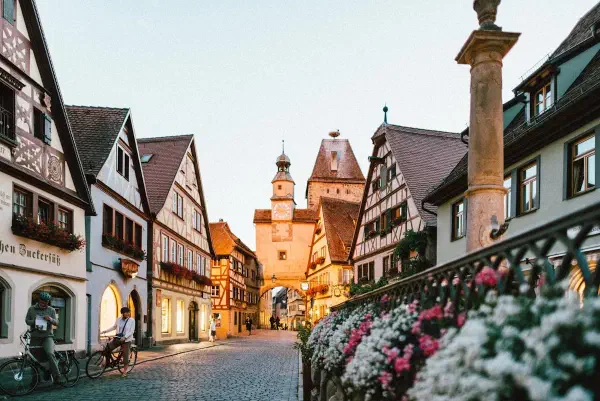
In contrast, **Munich**, Germany, exudes an air of sophisticated order and traditional charm. Known for its beer gardens, Oktoberfest, and proximity to the Alps, it offers a high quality of life, punctuated by a strong sense of community and a deep appreciation for its Bavarian heritage. While efficient and structured, Munich also possesses a lively cultural scene and a more relaxed pace compared to some other German metropolises. The people are often perceived as reserved but friendly once acquainted.

**Why explore these housing markets?** Understanding the rental landscape is fundamental to any expatriate's journey. Whether you're drawn to Turkey's rich cultural tapestry and dynamic economy or Germany's stability, efficient infrastructure, and high living standards, knowing the ins and outs of securing a home is crucial. This comparison aims to equip you with the knowledge to navigate these distinct systems, manage expectations, and make informed decisions, whether you're dreaming of a seaside apartment in Antalya or a cozy flat in Berlin.

## Places to Visit

### 🇹🇷 Istanbul: A City of Contrasts

Istanbul is a sprawling metropolis that straddles two continents, offering an overwhelming array of historical sites, vibrant markets, and culinary delights. It's a city that demands exploration, rewarding visitors with layers of history and culture at every turn.

#### **Hagia Sophia** ([Google Maps](https://www.google.com/maps/search/Hagia+Sophia+Istanbul))
An architectural marvel, the Hagia Sophia has served as a cathedral, a mosque, and now a museum (and recently reconverted to a mosque). Its massive dome and intricate mosaics are breathtaking. Standing within its vast space, you can feel the weight of centuries of history. The best time to visit is early morning or late afternoon to avoid the largest crowds. *When we visited, the sheer scale of the building and the blend of Christian and Islamic elements were profoundly moving. The light filtering through the high windows created an almost spiritual atmosphere.*

#### **Blue Mosque (Sultan Ahmed Mosque)** ([Google Maps](https://www.google.com/maps/search/Blue+Mosque+Istanbul))
Located directly opposite the Hagia Sophia, the Blue Mosque is renowned for its six minarets and its interior adorned with tens of thousands of İznik tiles, giving it its name. It remains an active mosque, so visitors should be mindful of prayer times and dress respectfully (headscarves for women are provided if needed).

#### **Topkapı Palace Museum** ([Google Maps](https://www.google.com/maps/search/Topkapı+Palace+Istanbul))
This vast complex was the primary residence of the Ottoman Sultans for nearly 400 years. It offers a glimpse into the opulent lifestyle of the empire, with its courtyards, treasuries, and the fascinating Harem section. Allow at least half a day to explore its many sections.

#### **Grand Bazaar** ([Google Maps](https://www.google.com/maps/search/Grand+Bazaar+Istanbul))
One of the world's oldest and largest covered markets, the Grand Bazaar is a labyrinth of over 4,000 shops selling everything from carpets and ceramics to jewelry and spices. Haggling is expected, and it's an essential part of the experience. Prepare to get lost – it's part of the fun!

#### **Spice Bazaar (Egyptian Bazaar)** ([Google Maps](https://www.google.com/maps/search/Spice+Bazaar+Istanbul))
A fragrant and colorful assault on the senses, the Spice Bazaar is dedicated to spices, dried fruits, nuts, sweets, and Turkish delight. It’s a fantastic place to pick up edible souvenirs and experience the vibrant local commerce.

#### **Bosphorus Cruise** ([Google Maps](https://www.google.com/maps/search/Bosphorus+Cruise+Istanbul))
A cruise along the Bosphorus Strait, which separates Europe and Asia, offers stunning views of Istanbul's skyline, historic mansions (*yalı*), palaces, and fortresses. Various tour options are available, from short public ferry rides to longer private cruises.

#### **Basilica Cistern** ([Google Maps](https://www.google.com/maps/search/Basilica+Cistern+Istanbul))
This ancient underground cistern, built by the Byzantine Emperor Justinian I, is an eerie and atmospheric place with hundreds of marble columns rising from the water. The mysterious Medusa heads at the base of two columns add to its mystique.

#### **Galata Tower** ([Google Maps](https://www.google.com/maps/search/Galata+Tower+Istanbul))
Offering panoramic views of the Golden Horn and the Bosphorus, the Galata Tower is a historic landmark providing a fantastic vantage point to appreciate Istanbul's sprawling beauty.

---

### 🇩🇪 Munich: Bavarian Charm and Bavarian Efficiency

Munich, the capital of Bavaria, seamlessly blends traditional charm with modern vibrancy. It's a city of beer gardens, historic architecture, world-class museums, and a high standard of living.

#### **Marienplatz** ([Google Maps](https://www.google.com/maps/search/Marienplatz+Munich))
The central square of Munich, Marienplatz is home to the New Town Hall (Neues Rathaus) with its famous Glockenspiel, which performs intricate shows at specific times daily. It's the heart of the city, bustling with activity and surrounded by historic buildings. *We found ourselves drawn back to Marienplatz multiple times, just to soak in the atmosphere and watch the Glockenspiel's charming mechanical performance.*

#### **Frauenkirche (Cathedral of Our Blessed Lady)** ([Google Maps](https://www.google.com/maps/search/Frauenkirche+Munich))
This iconic landmark with its twin onion-domed towers is one of Munich's most recognizable symbols. Visitors can climb one of the towers for impressive city views, though it's often undergoing restoration.

#### **Hofbräuhaus München** ([Google Maps](https://www.google.com/maps/search/Hofbräuhaus+München))
Even if you're not a beer drinker, the Hofbräuhaus is a must-visit for its sheer scale and boisterous atmosphere. This historic beer hall, established in 1589, offers traditional Bavarian food, music, and, of course, liters of beer. It’s a lively spot for experiencing local culture.

#### **English Garden (Englischer Garten)** ([Google Maps](https://www.google.com/maps/search/English+Garden+Munich))
One of the world's largest urban parks, the English Garden offers a vast green oasis for relaxation, sports, and people-watching. Highlights include the Monopteros temple, the Chinese Tower beer garden, and the Eisbach wave where surfers ride artificial waves.

#### **Residenz München** ([Google Maps](https://www.google.com/maps/search/Residenz+Munich))
The former royal palace of the Bavarian monarchs, the Residenz is a sprawling complex of opulent rooms, courtyards, and the Treasury. It's a testament to centuries of Wittelsbach rule and a treasure trove of art and history.

#### **Deutsches Museum** ([Google Maps](https://www.google.com/maps/search/Deutsches+Museum+Munich))
One of the oldest and largest science and technology museums in the world, the Deutsches Museum is an interactive wonderland for all ages. From aerospace and physics to mining and music technology, it offers endless opportunities for learning and discovery.

#### **Viktualienmarkt** ([Google Maps](https://www.google.com/maps/search/Viktualienmarkt+Munich))
A vibrant open-air market located just off Marienplatz, Viktualienmarkt is a feast for the senses. Stalls overflow with fresh produce, local delicacies, flowers, and artisanal products. It's a great place to grab a snack, a coffee, or a traditional Bavarian lunch.

#### **Nymphenburg Palace** ([Google Maps](https://www.google.com/maps/search/Nymphenburg+Palace+Munich))
This magnificent baroque palace, once the summer residence of Bavarian rulers, is surrounded by extensive gardens. Its opulent interiors, including the famous Amalienburg hunting lodge, are a sight to behold.

#### **Olympiapark** ([Google Maps](https://www.google.com/maps/search/Olympiapark+Munich))
Built for the 1972 Olympic Games, Olympiapark is a vast recreational area featuring unique architectural landmarks like the Olympic Tower and the Olympiastadion. It's a popular spot for events, sports, and enjoying panoramic city views.

#### **BMW Welt & Museum** ([Google Maps](https://www.google.com/maps/search/BMW+Welt+Munich))
For car enthusiasts, a visit to BMW Welt (World) and the adjacent BMW Museum is essential. BMW Welt showcases the latest models and innovative designs, while the museum delves into the history and evolution of the iconic brand.

#### **Asamkirche** ([Google Maps](https://www.google.com/maps/search/Asamkirche+Munich))
A stunning example of Rococo architecture, the Asamkirche is a small but exquisitely decorated church commissioned by the Asam brothers. Its ornate interior is a masterpiece of its time.

#### **Glockenspiel at Neues Rathaus** ([Google Maps](https://www.google.com/maps/search/Neues+Rathaus+Glockenspiel+Munich))
While part of Marienplatz, the Glockenspiel performance deserves a special mention. Held daily at 11 am and 12 pm (and 5 pm from March to October), it depicts historical Bavarian events with life-sized figures. Arrive early to secure a good viewing spot.

#### **Osteria Italiana** ([Google Maps](https://www.google.com/maps/search/Osteria+Italiana+Munich))
This classic Italian restaurant offers authentic Roman cuisine in a charming setting. It's a popular spot for its high-quality dishes and warm ambiance.
*Price Range:* €€€
*Why recommended:* Known for its traditional Roman dishes and consistently excellent quality.

#### **Käfer Schänke** ([Google Maps](https://www.google.com/maps/search/Käfer+Schänke+Munich))
A renowned Bavarian restaurant and delicatessen, Käfer Schänke offers a sophisticated take on traditional cuisine in an elegant atmosphere. It’s a great place to experience Bavarian hospitality with a touch of class.
*Price Range:* €€€
*Why recommended:* A Munich institution for high-quality Bavarian food and an extensive delicatessen.

#### **Wirtshaus in der Au** ([Google Maps](https://www.google.com/maps/search/Wirtshaus+in+der+Au+Munich))
This traditional Bavarian inn is famous for its delicious *Knödel* (dumplings) and lively atmosphere. It's a perfect place to experience authentic Bavarian food and beer in a relaxed setting.
*Price Range:* €€
*Why recommended:* A local favorite for hearty Bavarian fare, especially its famous dumplings.

#### **Viktualienmarkt Food Stalls** ([Google Maps](https://www.google.com/maps/search/Viktualienmarkt+food+stalls+Munich))
The various food stalls within Viktualienmarkt offer a diverse range of quick bites, from traditional Bavarian sausages and pretzels to international street food. It’s ideal for a casual and tasty lunch.
*Price Range:* €-€€
*Why recommended:* Offers a variety of fresh, quick, and affordable food options in a lively market setting.

#### **Hofbräuhaus München** ([Google Maps](https://www.google.com/maps/search/Hofbräuhaus+München))
While mentioned as a place to visit, it's also a primary spot for experiencing traditional Bavarian food and beer. Expect large portions and a communal dining experience.
*Price Range:* €€
*Why recommended:* An iconic Bavarian experience with hearty food, massive beers, and traditional music.

---

### Local Delicacies to Try

| Dish | Description | Approximate Price (EUR) |
|---|---|---|
| **Wiener Schnitzel** | Thinly pounded veal or pork, breaded and pan-fried to a golden crisp. | 15-25 |
| **Schweinebraten** | Roasted pork, often served with a rich gravy and potato dumplings (*Knödel*). | 14-20 |
| **Leberkäse** | A type of meatloaf made from finely minced beef and pork, traditionally served sliced with a potato salad or mustard. | 7-12 |
| **Bayerische Creme** (Bavarian Cream) | A light and airy dessert, often flavored with vanilla or fruit. | 6-9 |
| **Pretzel (Brezn)** | A knot-shaped baked bread, typically sprinkled with coarse salt. | 2-4 |
| **Weisswurst** | Traditional Bavarian white sausage made from minced veal and pork, typically eaten before noon with sweet mustard and a pretzel. | 8-13 (for two sausages) |
| **Apfelstrudel** | Thin pastry filled with spiced apples, raisins, and often served with vanilla sauce or ice cream. | 6-9 |

---

## Accommodation

Finding the right place to stay is crucial for any trip. Munich offers a range of options to suit various budgets and preferences.

### Budget-Friendly

#### **Wombat's City Hostel Munich** ([Google Maps](https://www.google.com/maps/search/Wombat's+City+Hostel+Munich) | [Booking.com](https://www.booking.com/search.html?ss=Wombat's+City+Hostel+Munich))
Located near the main train station (Hauptbahnhof), Wombat's offers clean dorm rooms and private options, a common room, and a bar. It's a social hub perfect for solo travelers looking to meet others.
*Region:* Near Hauptbahnhof
*Price Range:* €30-€60/night (dorm), €80-€120/night (private)
*Description:* Lively, well-equipped hostel with excellent communal spaces.

### Mid-Range

#### **Hotel Metropol München** ([Google Maps](https://www.google.com/maps/search/Hotel+Metropol+Munich) | [Booking.com](https://www.booking.com/search.html?ss=Hotel+Metropol+Munich))
This hotel is centrally located, offering comfortable rooms with modern amenities. It’s a short walk from Marienplatz and the main train station, making it ideal for exploring the city.
*Region:* Maxvorstadt/Near Hauptbahnhof
*Price Range:* €120-€180/night
*Description:* Comfortable, centrally located hotel with good transport links.

#### **Platzl Hotel** ([Google Maps](https://www.google.com/maps/search/Platzl+Hotel+Munich) | [Booking.com](https://www.booking.com/search.html?ss=Platzl+Hotel+Munich))
Situated right in the heart of the old town, adjacent to the Hofbräuhaus, this hotel offers a blend of traditional Bavarian charm and modern comfort. Its location is unbeatable for experiencing the city's historic core.
*Region:* Altstadt (Old Town)
*Price Range:* €150-€220/night
*Description:* Charming hotel in a prime location, offering a taste of Bavarian hospitality.

### Luxury

#### **Hotel Vier Jahreszeiten Kempinski München** ([Google Maps](https://www.google.com/maps/search/Hotel+Vier+Jahreszeiten+Kempinski+Munich) | [Booking.com](https://www.booking.com/search.html?ss=Hotel+Vier+Jahreszeiten+Kempinski+Munich))
A grand dame of Munich hotels, located on the exclusive Maximilianstraße. It offers impeccable service, luxurious rooms, and a superb dining experience.
*Region:* Maximilianstraße (Luxury Shopping District)
*Price Range:* €400+/night
*Description:* Historic luxury hotel renowned for its elegance, service, and prime city center location.

#### **The Charles Hotel, a Rocco Forte Hotel** ([Google Maps](https://www.google.com/maps/search/The+Charles+Hotel+Munich) | [Booking.com](https://www.booking.com/search.html?ss=The+Charles+Hotel+Munich))
Offering contemporary luxury and stunning views of the Old Botanical Garden, this hotel provides a sophisticated urban retreat with excellent amenities, including a spa and indoor pool.
*Region:* Near Old Botanical Garden/Hauptbahnhof
*Price Range:* €350+/night
*Description:* Stylish and modern luxury hotel with excellent facilities and garden views.

**Where to Stay:** For first-time visitors wanting to be in the heart of the action, the **Altstadt (Old Town)** is ideal, with Marienplatz and many attractions within walking distance. The **Maxvorstadt** district offers a more bohemian vibe with museums and university life, while areas near the **Hauptbahnhof (Main Train Station)** provide excellent transport links and are often more budget-friendly. If you prefer a more upscale experience, the area around **Maximilianstraße** is perfect.

## Getting There & Getting Around

### Getting To Munich

Munich is a major European transport hub, easily accessible by various means.

| Transport | From | Duration | Approximate Price (EUR) | Notes |
|---|---|---|---|---|
| **Flight** | Istanbul | ~2.5 hours | €150-€400 (round trip, depending on booking time) | Munich Airport (MUC) is well-connected. |
| **Flight** | Frankfurt | ~1 hour | €80-€250 (round trip) | Frequent domestic flights. |
| **Train** | Istanbul | ~50-60 hours (multiple connections) | €200-€400+ | A scenic, but very long, journey. |
| **Train** | Frankfurt | ~3.5-4 hours | €60-€120 | Direct high-speed ICE trains are frequent. |
| **Bus** | Istanbul | ~20-24 hours (with ferry/shuttle crossings) | €50-€100 | A budget-friendly but lengthy option. |
| **Bus** | Frankfurt | ~7-8 hours | €30-€60 | Several companies operate this route. |

**Deutschlandticket:** Yes, the **Deutschlandticket (€49/month)** is valid on all local and regional public transport within Munich and for regional trains throughout Germany, including connections to nearby towns like Salzburg and Füssen. It is *not* valid on high-speed trains (ICE, IC, EC) or FlixTrain.

### Getting Around Munich

Munich boasts an excellent and integrated public transport system managed by the MVV (Münchner Verkehrs- und Tarifverbund).

*   **U-Bahn (Subway):** The backbone of the city's transport, efficient and frequent.
*   **S-Bahn (Suburban Rail):** Connects the city center with the surrounding areas and the airport.
*   **Trams (Straßenbahn):** Operate on many routes, particularly good for exploring the city center.
*   **Buses:** Complement the rail network, reaching areas not covered by trams or U-Bahn.
*   **Walking:** Munich's city center is very walkable, with many attractions clustered together.
*   **Bicycle:** Munich is a bicycle-friendly city with dedicated lanes and numerous rental services.

**Tickets:** You can purchase single tickets, day tickets (*Tageskarte*), or weekly passes. The **Deutschlandticket** is often the most cost-effective option for longer stays or extensive travel within Germany.

## Our Experience

Our journey through Turkey and Germany, particularly concerning housing, has been a study in contrasts, shaping our understanding of what "home" means in different cultural and economic landscapes. In **Istanbul**, the initial rental process felt more intuitive, almost relational. Landlords often preferred personal introductions or recommendations, and while this could sometimes be a hurdle, it also fostered a sense of community. The market, however, was and continues to be incredibly volatile. Rapidly escalating rents, driven by inflation and currency fluctuations, meant that what you paid one month could be significantly different the next. The flexibility of shorter leases was appealing, but it also meant less long-term security. We vividly recall searching for an apartment in Kadıköy, encountering dozens of listings that were either already taken or drastically overpriced by the time we inquired. It was a dynamic, often exhausting, but also character-building experience.

**Munich**, on the other hand, presented a different kind of challenge: sheer, unadulterated competition. The application process for an apartment felt akin to applying for a highly competitive job. Armed with a meticulously prepared folder (*Bewerbungsmappe*) containing proof of income, Schufa reports, and personal statements, we attended viewings with sometimes over 50 other hopefuls. The formality and thoroughness of the German system, while ensuring fairness and tenant protection in the long run, made the initial search incredibly stressful. We spent weeks navigating online portals, attending group viewings where the landlord barely spoke to individuals, and anxiously awaiting responses. There were moments of doubt, wondering if we’d ever find a place.

However, once we secured a flat in Munich, the difference in security was palpable. The legal protections for tenants are robust. The concept of *Kaltmiete* (cold rent) and the precise annual reconciliation of *Nebenkosten* (additional costs) brought a level of financial predictability we hadn't experienced in Turkey. It was reassuring to know that your landlord couldn't simply ask you to leave without significant cause. This structured approach, while initially daunting, fostered a sense of stability.

Comparing the two, Turkey’s housing market offers more spontaneity and a potentially easier entry point for those with strong local connections, but at the cost of price stability and long-term security. Germany’s market is highly regulated, offering immense tenant protection and predictability, but demanding a significant amount of patience, documentation, and resilience during the search.

For families with young children, the search can be even more complex. In Germany, the availability of affordable family apartments and the presence of robust childcare facilities (*Kita* system) are crucial considerations, often influencing the desired neighborhood. Navigating these aspects requires diligent research.

Our experiences in both countries have informed other aspects of our lives abroad, as detailed in our broader comparisons:
*   **Why I Left Turkey: The Decision That Changed Everything** ([link](https://lebeninsider.com/en/germany/living/why-i-moved-countries/))
*   **Germany Job Seeker Visa: My Personal Experience and Everything You Need to Know** ([link](https://lebeninsider.com/en/germany/expat/eu-series-04-job-seeker-visa-germany-EN/))
*   **Renting an Apartment in Germany | The Reality of Finding Housing in Munich (2026)** ([link](https://lebeninsider.com/en/germany/expat/renting-in-germany-munich/)) - *This current post expands significantly on that initial piece.*
*   **Turkey vs Germany: An Honest Comparison After Making the Move** ([link](https://lebeninsider.com/en/germany/living/turkey-vs-germany/))

## Frequently Asked Questions

**Q1: Is it difficult for foreigners to rent an apartment in Germany?**
A1: While the process is rigorous, it is not impossible for foreigners. The main challenges are the high competition, the requirement for extensive documentation (proof of income, credit check), and sometimes language barriers. However, with thorough preparation and persistence, securing a rental is achievable.

**Q2: What is the average rent for a one-bedroom apartment in Munich?**
A2: Rent prices in Munich are among the highest in Germany. For a one-bedroom apartment (*Zwei-Zimmer-Wohnung*, which typically includes a living room and a separate bedroom) in a decent area, you can expect to pay anywhere from €1,200 to €1,800 or more per month for *Kaltmiete* (cold rent), excluding utilities.

**Q3: How much deposit (*Kaution*) do I typically need to pay when renting in Germany?**
A3: The standard deposit is usually three months' *Kaltmiete* (cold rent). This is paid upfront and is held in a secure deposit account by the landlord. It is legally capped at three months' rent.

**Q4: Can I negotiate rent prices in Germany?**
A4: In highly competitive markets like Munich, direct negotiation on the *Kaltmiete* is extremely rare. However, sometimes there is room to discuss the *Nebenkosten* (additional costs) or furnishings, especially if you are offering a longer lease term. It's more common to negotiate the rental price when the landlord is looking to rent out a property they own directly, rather than through a property management company.

**Q5: What is the significance of the Schufa report when renting in Germany?**
A5: The Schufa (Schutzgemeinschaft für allgemeine Kreditsicherung) is a credit reporting agency. Landlords request a Schufa report to assess your creditworthiness and reliability as a tenant. A good Schufa score indicates you have a history of meeting financial obligations, which is crucial for German landlords.

**Q6: How does the rental market in Istanbul compare to Munich in terms of stability?**
A6: The rental market in Istanbul is significantly more volatile than in Munich. Istanbul's rents can fluctuate dramatically due to economic factors like inflation and currency devaluation, often quoted in USD or EUR to hedge against the Lira's instability. Munich, while experiencing rising rents, has a more regulated market with stricter rent control measures (*Mietpreisbremse*) in many areas, offering greater price stability and predictability for tenants.
Housing and Renting: Turkey vs Germany
Related
Food and Eating Out: Turkey vs Germany
15 mins·
loading

Health System: Turkey vs Germany
10 mins·
loading