## About the Destination

This article delves into the culinary landscapes of Turkey and Germany, two nations with profoundly different yet equally compelling food cultures. While Turkey boasts a globally celebrated cuisine known for its freshness, diversity, and deep-rooted traditions, Germany offers a hearty, honest, and often surprisingly refined gastronomic experience. We will explore what makes each unique, from everyday dining to special occasions, and provide practical advice for those transitioning between these culinary worlds.

## Places to Visit

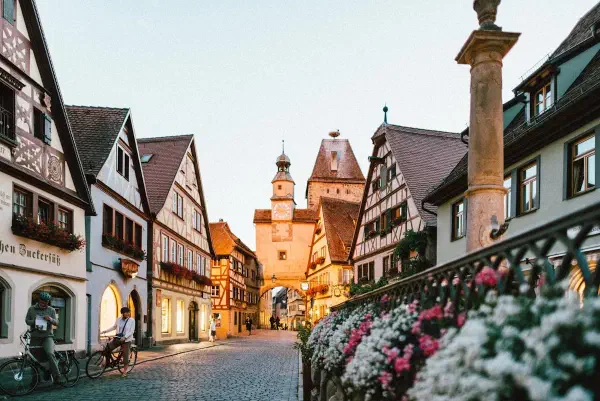
While this article focuses on the culinary aspects, the vibrant food scenes are intrinsically linked to the places where they flourish. In Turkey, every city and region offers a distinct taste of its heritage. For example, exploring the bustling bazaars of Istanbul, you can find exquisite Turkish Delight and robust kebabs. Venturing south to the Aegean coast unveils a lighter, olive-oil-based cuisine. In Germany, particularly in Bavaria, the traditional *Biergarten* culture is an experience in itself, offering a unique way to enjoy local fare and beverages. Cities like Munich provide a gateway to this distinct regional cooking, while larger metropolises like Berlin showcase a broader, international culinary spectrum.

## Where to Eat

### 🇹🇷 Turkey: A Symphony of Flavors

Turkish cuisine is a testament to centuries of history, influenced by the Ottoman Empire's vast reach and the diverse geography of Anatolia. It's a cuisine that prioritizes fresh, seasonal ingredients, vibrant spices, and a communal approach to dining. From the famed breakfast spreads to elaborate dinner feasts, food in Turkey is an experience meant to be savored and shared.

*   **The Grand Bazaar Kebap House (Istanbul)** ([Google Maps](https://www.google.com/maps/search/The+Grand+Bazaar+Kebap+House+Istanbul))
    *   **Cuisine:** Traditional Turkish Kebabs and Mezze
    *   **Price Range:** €€ (Mid-range)
    *   **Why Recommended:** Nestled near the historic Grand Bazaar, this eatery offers an authentic taste of Turkish grilling. Their succulent *Adana* and *Urfa* kebabs, marinated to perfection, are a must-try. The array of fresh mezze platters—think creamy *haydari*, smoky *patlıcan salatası*, and spicy *ezme*—provides a delightful start to any meal. The atmosphere is lively, reflecting the vibrant energy of the surrounding market.
*   **Sütiş Restaurant (Ankara)** ([Google Maps](https://www.google.com/maps/search/Sütiş+Restaurant+Ankara))
    *   **Cuisine:** Turkish Breakfast and Traditional Dishes
    *   **Price Range:** €€ (Mid-range)
    *   **Why Recommended:** Famous for its elaborate *kahvaltı* (breakfast) spread, Sütiş offers an unforgettable start to the day. Imagine a table laden with numerous small plates: a variety of cheeses, olives, fresh tomatoes and cucumbers, honey, jams, *kaymak* (clotted cream), *menemen* (scrambled eggs with tomatoes and peppers), and freshly baked bread. It’s a culinary event that embodies Turkish hospitality.
*   **Balikci Sabahattin (Izmir)** ([Google Maps](https://www.google.com/maps/search/Balikci+Sabahattin+Izmir))
    *   **Cuisine:** Fresh Seafood
    *   **Price Range:** €€€ (Expensive)
    *   **Why Recommended:** Located by the Aegean Sea, this restaurant excels in serving the freshest catch of the day. Grilled sea bass, bream, or perhaps octopus carpaccio—the focus is on simple preparation to highlight the natural flavors of the seafood. Enjoying a meal here with a view of the sea is a quintessential Izmir experience.
*   **Hafiz Mustafa 1864 (Multiple Locations, e.g., Istanbul)** ([Google Maps](https://www.google.com/maps/search/Hafiz+Mustafa+1864+Istanbul))
    *   **Cuisine:** Desserts, Turkish Delight, Baklava
    *   **Price Range:** € (Budget-friendly)
    *   **Why Recommended:** A legendary establishment for Turkish sweets. Hafiz Mustafa is the place to indulge in world-renowned baklava, creamy puddings like *sütlaç* (rice pudding), and an astonishing variety of *lokum* (Turkish Delight). It’s the perfect spot for an afternoon treat with a strong Turkish coffee or tea.

#### Must-Try Local Delicacies in Turkey:

| Dish              | Description                                                                     | Approximate Price (TL) |
| :---------------- | :------------------------------------------------------------------------------ | :--------------------- |
| **Kebabs**        | Grilled meats (lamb, beef, chicken) often marinated and served with bread/rice. | 200-400                |
| **Mezze**         | Small appetizer dishes, a variety of dips, salads, and small bites.             | 50-150 per dish        |
| **Lahmacun**      | Thin dough topped with minced meat, vegetables, and herbs; often called "Turkish Pizza". | 80-150                 |
| **Gözleme**       | Savory or sweet flatbread, grilled and filled with various ingredients.         | 60-120                 |
| **Menemen**       | Scrambled eggs cooked with tomatoes, peppers, and spices; a breakfast staple.   | 90-180                 |
| **Baklava**       | Layers of phyllo dough filled with chopped nuts and sweetened with syrup.       | 70-150 per portion     |
| **Lokum (Turkish Delight)** | Confectionery made of starch and sugar, often flavored and nut-filled. | 100-300 per box        |

### 🇩🇪 Germany: Hearty, Honest, and Evolving

German cuisine is often characterized by its hearty, robust dishes, perfectly suited for colder climates. While classics like *Schnitzel*, *Bratwurst*, and *Sauerkraut* remain popular, the culinary scene has evolved significantly, embracing international influences and a growing appreciation for high-quality, regional produce. The *Biergarten* in Bavaria, however, remains an iconic institution.

*   **Hofbräuhaus München (Munich)** ([Google Maps](https://www.google.com/maps/search/Hofbräuhaus+München) | [Booking.com](https://www.booking.com/search.html?ss=Hofbräuhaus+München))
    *   **Cuisine:** Bavarian Traditional
    *   **Price Range:** €€ (Mid-range)
    *   **Why Recommended:** A world-famous beer hall offering a quintessential Bavarian experience. Expect generous portions of *Schweinshaxe* (pork knuckle), *Hendl* (roast chicken), *Leberkäse*, and enormous pretzels, all washed down with a liter of their own Hofbräu beer. The atmosphere is boisterous, with live Bavarian music contributing to the lively ambiance.
*   **Wirtshaus Maximilian (Munich)** ([Google Maps](https://www.google.com/maps/search/Wirtshaus+Maximilian+Munich) | [Booking.com](https://www.booking.com/search.html?ss=Wirtshaus+Maximilian+Munich))
    *   **Cuisine:** Refined Bavarian and German
    *   **Price Range:** €€€ (Expensive)
    *   **Why Recommended:** For a more upscale take on Bavarian classics, Wirtshaus Maximilian offers expertly prepared dishes in an elegant setting. Their *Kaiserschmarrn* (shredded pancake) is legendary, and their contemporary interpretations of traditional game dishes and veal specialties are exceptional. It’s a great place to experience Bavarian cuisine with a sophisticated touch.
*   **Dallmayr (Munich)** ([Google Maps](https://www.google.com/maps/search/Dallmayr+Munich) | [Booking.com](https://www.booking.com/search.html?ss=Dallmayr+Munich))
    *   **Cuisine:** Fine Dining, Delicatessen, Café
    *   **Price Range:** €€€€ (Very Expensive - Fine Dining), €€ (Café/Delicatessen)
    *   **Why Recommended:** Dallmayr is a Munich institution, a high-end delicatessen and restaurant renowned for its quality. The upstairs fine-dining restaurant offers exquisite French-inspired cuisine, while the downstairs delicatessen is a paradise for food lovers, featuring imported delicacies, artisanal cheeses, charcuterie, and an impressive selection of wines. Their café is perfect for a sophisticated coffee break.
*   **The Vietnamese Food Kitchen (Berlin)** ([Google Maps](https://www.google.com/maps/search/The+Vietnamese+Food+Kitchen+Berlin))
    *   **Cuisine:** Vietnamese
    *   **Price Range:** €€ (Mid-range)
    *   **Why Recommended:** Berlin boasts an incredible international food scene, and Vietnamese cuisine is particularly well-represented. This restaurant offers authentic and flavorful dishes like *Phở* (noodle soup), fresh summer rolls (*Gỏi cuốn*), and fragrant curries. It showcases how Germany’s multicultural population enriches its culinary offerings, providing a vibrant contrast to traditional German fare.

#### Must-Try Local Delicacies in Germany:

| Dish                | Description                                                                                             | Approximate Price (EUR) |
| :------------------ | :------------------------------------------------------------------------------------------------------ | :---------------------- |
| **Schnitzel**       | Thinly pounded, breaded, and fried cutlet (veal, pork, or chicken).                                     | 12-20                   |
| **Bratwurst**       | A type of German sausage, typically grilled and served in a bun (*Brötchen*) with mustard.              | 3-6 (street food)       |
| **Schweinshaxe**    | Roasted pork knuckle, known for its crispy skin and tender meat.                                        | 15-25                   |
| **Bretzel (Pretzel)** | A baked pastry made from dough, twisted into a distinctive knot. Often salted.                          | 1-3                     |
| **Sauerkraut**      | Finely cut fermented cabbage, a traditional accompaniment to hearty meat dishes.                        | 4-8 (side dish)         |
| **Obatzda**         | A Bavarian cheese spread made from Camembert, butter, paprika, and sometimes onion.                     | 5-9 (with bread)        |
| **Weißwurst**       | A traditional Bavarian white sausage made from minced veal and pork, typically eaten before noon.       | 8-12 (with pretzel & mustard) |
| **Käsespätzle**    | German-style egg noodles mixed with cheese and topped with fried onions.                                | 10-16                   |

## Accommodation

### 🇹🇷 Turkey: From Guesthouses to Luxury

Turkey offers a wide range of accommodation options, catering to every budget.

*   **Budget:** **Hostel Le Petit** (Istanbul) ([Google Maps](https://www.google.com/maps/search/Hostel+Le+Petit+Istanbul) | [Booking.com](https://www.booking.com/search.html?ss=Hostel+Le+Petit+Istanbul))
    *   **Region:** Beyoğlu, Istanbul
    *   **EUR/night:** €15-€30 (dorm bed)
    *   **Description:** Offers a friendly atmosphere, clean dorms, and private rooms. Great for solo travelers looking to socialize and explore the vibrant Beyoğlu district.
*   **Mid-Range:** **Hotel Sultania Boutique Class** (Istanbul) ([Google Maps](https://www.google.com/maps/search/Hotel+Sultania+Boutique+Class+Istanbul) | [Booking.com](https://www.booking.com/search.html?ss=Hotel+Sultania+Boutique+Class+Istanbul))
    *   **Region:** Sultanahmet, Istanbul
    *   **EUR/night:** €80-€150
    *   **Description:** Combines traditional Ottoman charm with modern amenities. Located conveniently close to major historical sites, offering comfortable rooms and excellent service.
*   **Luxury:** **Çırağan Palace Kempinski Istanbul** (Istanbul) ([Google Maps](https://www.google.com/maps/search/Çırağan+Palace+Kempinski+Istanbul) | [Booking.com](https://www.booking.com/search.html?ss=Çırağan+Palace+Kempinski+Istanbul))
    *   **Region:** Beşiktaş, Istanbul
    *   **EUR/night:** €400+
    *   **Description:** A former Ottoman palace offering unparalleled luxury on the Bosphorus. Expect opulent suites, fine dining, and a truly majestic experience.

**Best area to stay in Turkey:** For first-time visitors to Istanbul, **Sultanahmet** is ideal for its proximity to iconic landmarks like the Hagia Sophia and Blue Mosque. For a more bohemian and lively vibe, **Beyoğlu** is excellent, offering access to vibrant nightlife, shopping, and street art.

### 🇩🇪 Germany: Diverse Options from Historic to Modern

Germany provides a spectrum of lodging, from charming guesthouses to sleek modern hotels.

*   **Budget:** **Wombat's City Hostel Berlin** (Berlin) ([Google Maps](https://www.google.com/maps/search/Wombat's+City+Hostel+Berlin) | [Booking.com](https://www.booking.com/search.html?ss=Wombat's+City+Hostel+Berlin))
    *   **Region:** Prenzlauer Berg, Berlin
    *   **EUR/night:** €25-€50 (dorm bed)
    *   **Description:** Known for its clean facilities, friendly staff, and a lively bar, Wombat's is a popular choice for backpackers and budget travelers.
*   **Mid-Range:** **Hotel Schlicker (Munich)** ([Google Maps](https://www.google.com/maps/search/Hotel+Schlicker+Munich) | [Booking.com](https://www.booking.com/search.html?ss=Hotel+Schlicker+Munich))
    *   **Region:** Near Marienplatz, Munich
    *   **EUR/night:** €120-€200
    *   **Description:** A well-regarded, centrally located hotel offering comfortable rooms with Bavarian touches. It's a short walk to many of Munich's main attractions.
*   **Luxury:** **The Charles Hotel, a Rocco Forte Hotel (Munich)** ([Google Maps](https://www.google.com/maps/search/The+Charles+Hotel+Munich) | [Booking.com](https://www.booking.com/search.html?ss=The+Charles+Hotel+Munich))
    *   **Region:** Neuhausen-Nymphenburg, Munich
    *   **EUR/night:** €350+
    *   **Description:** This elegant hotel offers spacious rooms, a luxurious spa, and fine dining, set in a beautiful historic building near the Old Botanical Garden.

**Best area to stay in Germany:** In Munich, staying near **Marienplatz** or the **Altstadt (Old Town)** offers the most convenience for sightseeing. For a slightly quieter but still well-connected experience, areas like **Maxvorstadt** or **Schwabing** are excellent. In Berlin, areas like **Mitte** (central attractions), **Prenzlauer Berg** (trendy, family-friendly), or **Kreuzberg** (alternative, vibrant) offer distinct experiences.

## Getting There & Getting Around

### 🇹🇷 Turkey: Bridging Continents

*   **By Air:** Major international airports in Istanbul (IST and SAW) and Ankara (ESB) connect Turkey to the world. Flights from European hubs like Frankfurt or Munich to Istanbul typically range from 3 to 4 hours and can cost between €100-€300 depending on the season and airline (e.g., Turkish Airlines, Pegasus Airlines).
*   **By Train/Bus:** While extensive, long-distance train and bus travel from Europe is less common due to the distance and border crossings. It can take over 24 hours and involve multiple changes.

**Getting Around in Turkey:**
*   **Domestic Flights:** For longer distances within Turkey (e.g., Istanbul to Izmir), flying is efficient and relatively affordable (€50-€100).
*   **Intercity Buses:** Turkey has an excellent, comfortable, and affordable intercity bus network. Buses are modern and punctual.
*   **Trains:** The Turkish State Railways (TCDD) operate services connecting major cities, offering a scenic and comfortable way to travel.
*   **City Transport:** Major cities have metro systems, trams, buses, and taxis. Istanbul also has a comprehensive ferry network across the Bosphorus.

### 🇩🇪 Germany: Seamless Connectivity

*   **By Air:** Germany is well-connected globally. Major airports include Frankfurt (FRA), Munich (MUC), Berlin Brandenburg (BER), and Düsseldorf (DUS). Flights from Istanbul to Frankfurt or Munich take approximately 3.5-4 hours and can range from €150-€350 for economy.
*   **By Train:** Germany's high-speed rail network (Deutsche Bahn - DB) is extensive and efficient, connecting all major cities. A train journey from Munich to Berlin takes around 4 hours. Prices vary significantly based on booking time and ticket type, from €30 (saver fares) to over €100.
*   **By Bus:** Companies like FlixBus offer a more budget-friendly alternative for intercity travel, though journeys are longer.

**Getting Around in Germany:**
*   **Deutschlandticket:** Yes, the Deutschlandticket (€49/month) is valid for unlimited travel on local and regional public transport (RE, RB trains, S-Bahn, U-Bahn, trams, buses) across all of Germany. It is **not valid** on long-distance trains (ICE, IC, EC) or private operators like FlixTrain. This is an incredibly cost-effective option for exploring the country.
*   **Deutsche Bahn (DB):** For faster travel between cities, ICE (Intercity-Express) trains are the best option. Booking in advance is highly recommended for savings.
*   **City Transport:** German cities have excellent public transport systems, typically including U-Bahn (subway), S-Bahn (urban rail), trams, and buses. A day ticket or weekly pass is usually cost-effective for exploring a city. Many cities are also very bike-friendly.

## Our Experience

The most striking culinary contrast between Turkey and Germany lies in the very essence of their food culture. In Turkey, food is an expression of love, generosity, and community. Meals are often extended, communal affairs, where conversations flow as freely as the tea. I vividly remember Sunday mornings in Istanbul, where a family breakfast (*kahvaltı*) could easily stretch for three hours, involving upwards of twenty different dishes – fresh cheeses, olives of every variety, succulent pastirma, honey-drizzled kaymak, perfectly cooked eggs, and an endless supply of *simit* (sesame bread rings) and warm bread. The sheer abundance and the shared experience made it feel less like a meal and more like a celebration of togetherness. Even a simple lunch at a neighborhood *lokanta* (a casual eatery serving home-style dishes) felt warm and welcoming, with owners often treating you like a long-lost relative.

Germany, on the other hand, presents a more structured and perhaps more reserved approach to dining. While the quality of ingredients is generally high, the emotional weight attached to food feels different. My initial months in Munich were a stark adjustment. The concept of a long, leisurely breakfast wasn't as prevalent; it was often a quick affair of bread rolls (*Brötchen*), cheese, and cold cuts. However, what Germany lacks in overt emotional expression in its food, it compensates with its own unique traditions and, surprisingly, an evolving international palate. Discovering the *Biergarten* culture was a revelation. The communal tables, the clinking of beer steins, the scent of grilled meats – it fosters a sense of shared experience, albeit in a more boisterous and less intimate way than a Turkish family dinner. I recall sitting at a long wooden table in the Englischer Garten one summer afternoon, sharing *Obatzda* (a creamy cheese spread) and a *Maß* of beer with strangers who quickly became friendly acquaintances. It’s a different kind of social connection, but equally enjoyable.

What I truly miss about Turkish food is its inherent freshness and diversity. The use of olive oil in western Turkish cuisine, the complex spice blends in the Southeast, the simple perfection of grilled fish on the coast – it’s a culinary tapestry that is hard to replicate. While Munich has a burgeoning international food scene, including some excellent Turkish restaurants, it doesn't quite capture the soul of eating at home or in a local eatery in Turkey. However, I've grown to appreciate the honest, comforting nature of German food. A perfectly crisp *Schnitzel* on a chilly evening or a hearty *Käsespätzle* can be incredibly satisfying. My experience has taught me that while tastes may differ, both cultures offer unique culinary joys.

For those considering a move or extensive travel between these two countries, understanding these food differences is key to a richer experience. If you're a parent, you'll find that feeding children might involve adapting to different meal structures and ingredient availability. The rich, vegetable-heavy dishes often found in Turkish cuisine might be a great way to introduce healthy options, while German hearty meals can offer sustained energy.

**Related Articles:**
*   [Turkey vs Germany: An Honest Comparison After Making the Move](https://lebeninsider.com/en/germany/living/turkey-vs-germany/)
*   [Renting an Apartment in Germany | The Reality of Finding Housing in Munich (2026)](https://lebeninsider.com/en/germany/expat/renting-in-germany-munich/)
*   [Quality of Life and Happiness: The Final Verdict](https://lebeninsider.com/en/germany/living/quality-of-life-final-verdict/)

## Frequently Asked Questions

*   **Is Turkish food healthy?**
    Turkish cuisine, particularly from the Aegean and Mediterranean regions, is very healthy. It emphasizes fresh vegetables, fruits, legumes, olive oil, and lean proteins. Dishes like grilled fish, vegetable stews (*türlü*), and lentil soup (*mercimek çorbası*) are packed with nutrients. However, like any cuisine, some dishes can be richer due to preparation methods or ingredients like butter and cream.

*   **What is the most iconic German dish?**
    While subjective, *Schnitzel* and *Bratwurst* are arguably the most internationally recognized German dishes. In Bavaria, *Schweinshaxe* (pork knuckle) and *Weißwurst* are also iconic. German cuisine is diverse, with regional specialties playing a significant role.

*   **Can I find good Turkish food in Germany?**
    Absolutely! Germany has a large Turkish diaspora, leading to a fantastic availability of authentic Turkish restaurants, bakeries, and grocery stores in most cities. From traditional kebabs and mezze to delicious pastries like *baklava*, you'll find high-quality Turkish food throughout Germany.

*   **What is the tipping culture in Germany?**
    Tipping in Germany is customary but not mandatory in the same way as in the US. It's polite to round up the bill to the nearest Euro or leave about 5-10% for good service in restaurants and cafes. When paying, you usually tell the server the total amount you wish to pay, including the tip.

*   **When is the best time to visit for food experiences?**
    For Turkey, spring (April-May) and autumn (September-October) offer pleasant weather and are ideal for enjoying fresh produce and outdoor dining. For Germany, summer is fantastic for *Biergarten* season and outdoor festivals, while autumn brings harvest festivals and Christmas markets offer seasonal treats.

*   **How much should I budget for eating out in Germany compared to Turkey?**
    Eating out in Germany is significantly more expensive than in Turkey. A mid-range meal for one person in Germany might cost €15-€25, while in Turkey, you could have a satisfying meal for €5-€10 at a local eatery. Fine dining in Germany can easily cost €50+ per person.

*   **Are there vegetarian options in both cuisines?**
    Yes, both cuisines offer excellent vegetarian options. Turkish cuisine is rich in vegetable-based dishes, mezze, and lentil preparations. German cuisine has dishes like *Käsespätzle*, potato pancakes (*Kartoffelpuffer*), and a growing number of modern vegetarian and vegan restaurants offering creative plant-based meals.

*   **Is it common to drink alcohol with meals in Germany?**
    Yes, drinking beer or wine with meals is very common in Germany, especially in traditional Bavarian restaurants and *Biergartens*. It's a cultural norm and often considered a complement to the food.

*   **What are the main differences in breakfast between Turkey and Germany?**
    Turkish breakfast (*kahvaltı*) is typically a large, elaborate spread with many small dishes, including cheeses, olives, eggs, jams, honey, and bread. German breakfast is usually simpler, consisting of bread rolls (*Brötchen*), cold cuts, cheese, jam, and coffee or tea.

*   **Can I find street food easily in both countries?**
    Street food is abundant and excellent in Turkey, with items like *simit*, *döner*, *midye dolma* (stuffed mussels), and *kokoreç* widely available. In Germany, street food is more common in the form of sausages (*Bratwurst*, *Currywurst*), pretzels, and at food markets and festivals.
Food and Eating Out: Turkey vs Germany
Related


Health System: Turkey vs Germany
10 mins·
loading